How Much Sunlight Do Blue fescue Need?
1
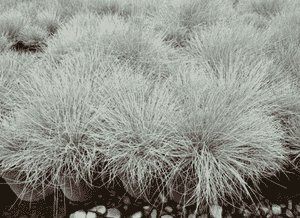
Blue fescue flourishes most effectively in situations with complete sun exposure, receiving a minimum of six hours of direct sunlight daily.
2
This decorative grass is capable of enduring some degree of shade, though its vivid blue hue might diminish.
3
Blue fescue demonstrates flexibility in adapting to varying sunlight conditions throughout the year, establishing it as an adaptable feature for your landscape.
Optimal Light Conditions for Blue fescue
Full Sun: Advantages and Considerations
Full sun represents the perfect growth environment for Blue fescue, implying direct sunlight for a minimum of six hours daily. The benefits of full sun include the rich blue coloration of its foliage, a defining characteristic of this ornamental grass. Beyond aesthetics, ample sunlight promotes vigorous development, resulting in more robust and denser plants. Nevertheless, it's essential to manage watering diligently as intense sun can accelerate soil drying, particularly on hot summer days. Consistent monitoring of soil moisture is crucial to prevent dehydration and maintain a lush appearance.
Partial Shade: Its Utility and Rationale
Blue fescue is adaptable and can endure partial shade, which means receiving diffused sunlight for several hours each day. This is especially advantageous if you reside in a region experiencing extremely hot summers. While partial shade can safeguard plants from burning, it's important to note that excessive shade might diminish the vibrant blue tint of the leaves. Therefore, strive for a balance where the plant gets sufficient light for its growth requirements while being protected from the most intense solar radiation to avoid leaf damage.
Seasonal Shifts: Adapting Light Requirements
Blue fescue demonstrates resilience to seasonal light variations, offering a significant benefit for year-round gardening. During spring and fall, the plant thrives with extended daylight hours and cooler temperatures, supporting strong growth. Conversely, winter sunlight may be limited, but Blue fescue can tolerate reduced light conditions. However, it's advantageous to position Blue fescue where it can access the maximum available sunlight during winter, especially in areas prone to overcast weather.
Adjusting Blue fescue's Sunlight Exposure
Selecting the Proper Planting Location
Choosing an appropriate planting site is critical for optimizing Blue fescue's sunlight exposure. Opt for a garden area that receives full sun for the majority of the day. If your garden experiences partial shade, place Blue fescue where it can still obtain several hours of direct sunlight, ideally in the morning or late afternoon. Avoid planting under large trees or in completely shaded zones, as this can hinder the grass's development and reduce its color intensity.
Utilizing Garden Features for Ideal Light
Garden elements can assist in managing Blue fescue's sunlight exposure. For example, planting near reflective surfaces like light-colored walls or fences can augment light availability. You can also employ structures such as pergolas or trellises to create filtered shade, shielding the plants from harsh midday sun while ensuring they still receive ample light throughout the day. Adjustable shade cloths are another effective tool, particularly in regions with fluctuating weather.
Indicators of Excessive or Insufficient Sunlight
Observing Blue fescue for signs of light-related stress is vital for its well-being. Symptoms of too much sunlight include leaf scorch, where the tips turn brown and brittle. On the other hand, inadequate sunlight might result in sparse foliage and a dulling of its vibrant blue coloration. Regularly monitor your Blue fescue and make adjustments by either increasing shade during peak summer months or moving the plant to a sunnier location if it appears to be struggling.
FAQ: Blue fescue's Sunlight Needs
Is Blue fescue Suitable for Indoor Growth?
Blue fescue is generally not ideal for indoor cultivation due to its specific light demands. However, if you choose to grow it indoors, position it in the sunniest window available, preferably one facing south. Even indoors, ensuring at least six hours of sunlight daily is crucial. Supplementing with grow lights can also be helpful, but an outdoor setting remains the best choice for a thriving Blue fescue.
What if Blue fescue Gets Too Much Sun?
If your Blue fescue is exposed to excessive sunlight, especially in very hot climates, it may exhibit stress signs like scorched leaves. To alleviate this, consider providing temporary shade using garden umbrellas or shade cloths during the hottest part of the day. Applying mulch around the plant's base can also aid in retaining soil moisture and regulating temperature. Always ensure the plant receives sufficient water during heatwaves.
Does Blue fescue Flourish in Winter Sunlight?
Blue fescue generally handles winter sunlight quite well. In winter, when daylight hours are shorter, the plant benefits from every ray of sunlight it can get. If your garden has considerable winter shading, consider relocating potted Blue fescue to brighter spots or pruning nearby plants that might block light. Winter sunlight, though less intense, is typically adequate, and the grass remains relatively low-maintenance during colder months.



