How Much Sunlight Do Fiddle-leaf fig Need?
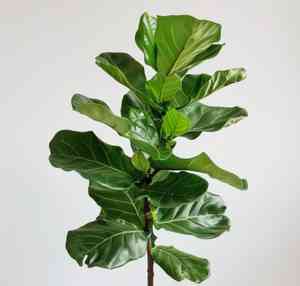
1
Fiddle-leaf figs flourish with 3-6 hours of bright, filtered light each day.
2
Too much direct sun can scorch leaves, whereas insufficient light results in stretched, spindly growth.
3
Turn your Fiddle-leaf fig frequently to promote uniform illumination for all sides.
Optimal Sunlight Conditions for Fiddle-leaf fig
Ideal Light Levels
Fiddle-leaf figs flourish best with filtered sun, meaning they benefit from approximately 3-6 hours of daily sunlight. They prefer brilliant, indirect illumination, as it mirrors their natural environment beneath larger tree canopies. Direct sun exposure can be tolerated but only in moderation. Excessive direct sunlight can scorch their foliage, while insufficient light can hinder development.
Window Placement
The positioning of your Fiddle-leaf fig within your home is vital for its well-being and development. Ideally, place it near an east-facing window to receive gentle morning sun. South and west-facing windows are also suitable if the light is diffused by sheer drapes to protect the leaves from harsh afternoon rays. Avoid situating your plant too close to windows if the sun is intensely direct.
Adjusting Light during Seasons
Seasonal shifts significantly impact the light availability for your Fiddle-leaf fig. During colder months, when daylight hours are shorter and sunlight is weaker, consider moving your plant closer to a window or utilizing supplemental grow lights. In summer, observe your plant for indicators of excessive light exposure, such as leaf scorching, and reposition it slightly away from direct sunlight if necessary.
Signs Your Fiddle-leaf fig is Getting Too Much Sunlight
Leaf Burn and Scorching
One of the clearest indicators that your Fiddle-leaf fig is receiving too much sunlight is leaf burn or scorching. The foliage may develop brown patches, particularly along the margins, or feel crispy. If you observe these symptoms, it's time to move your plant to a location with less direct light.
Wilting or Dropping Leaves
Overexposure to sunlight can also cause your plant's leaves to wilt or detach. If your Fiddle-leaf fig appears generally unwell, with drooping or falling leaves without another clear cause, it might be a sign of too much direct light. Evaluate the current light conditions and make appropriate adjustments.
Signs Your Fiddle-leaf fig Needs More Sunlight
Leggy Growth and Leaning
When a Fiddle-leaf fig lacks adequate sunlight, it will display elongated growth. The plant's stems may become long and thin as it stretches toward the light. Additionally, you might notice the plant inclining towards the closest light source. Ensuring sufficient exposure can help maintain a more compact and visually appealing growth pattern.
Pale or Yellowing Leaves
Insufficient sunlight can cause your Fiddle-leaf fig's leaves to appear pale, dull, or even yellow. This absence of vibrant green color indicates that your plant is struggling with efficient photosynthesis. If you notice these symptoms, gradually increase the light your plant receives to observe improvements in its vitality.
How to Supplement Sunlight for Indoor Fiddle-leaf figs
Using Grow Lights
Supplementing with grow lights is an effective method to guarantee your Fiddle-leaf fig gets the light it requires, especially during winter or in rooms with limited natural light. Select full-spectrum grow lights and place them approximately 12-18 inches (30-45 cm) above the plant. Operate the lights for about 8-10 hours daily to simulate natural sunlight.
Reflective Surfaces
Brighten the area surrounding your Fiddle-leaf fig by employing reflective surfaces to improve light distribution. Position mirrors or white walls near your plant to bounce light, ensuring uniform exposure and preventing any sections of the plant from remaining in shadow.
Regular Rotation
Periodically rotating your Fiddle-leaf fig ensures all sides receive comparable sunlight. A good practice is to turn your plant approximately a quarter turn each week. This prevents one side from developing more vigorously and leaning towards the light, promoting balanced and robust development.



