How Much Sunlight Do Nerve plant Need?
1
Fittonia prefers bright, but not direct, illumination.
2
Excessive direct solar exposure may scorch the foliage of Fittonia.
3
While Fittonia tolerates dim environments, its growth rate will be diminished.
Optimal Lighting Conditions for Fittonia (Nerve Plant)
Preferred Light Range for Fittonia
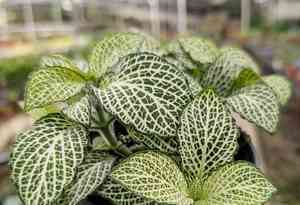
The Fittonia, recognized for its striking patterned leaves, thrives best in indirect light. Aim for approximately 3-6 hours of partial sun daily. This means morning sunlight through an east-facing window or filtered light via a sheer curtain is ideal. Unlike many houseplants, Fittonia doesn't require intense brightness and can even withstand full shade, though this might slightly impede its growth.
Indicators of Excessive Light Exposure
If your Fittonia receives too much direct sunlight, its leaves may begin to exhibit signs of stress. Symptoms of overexposure include leaf scorching, appearing as brown or burnt patches, and fading of the vibrant colors. It's essential to observe your plant and relocate it to a more shaded area if these issues arise.
Indicators of Insufficient Light Exposure
Conversely, if your Fittonia isn't getting adequate light, you might notice the leaves becoming dull and losing their distinctive veining. Additionally, the plant may develop a leggy appearance, stretching towards any available light source. Should you observe these symptoms, consider moving your plant to a brighter location or supplementing with artificial illumination.
Strategies for Managing Fittonia Sunlight
Selecting the Right Indoor Placement
Finding the ideal indoor spot for your Fittonia often requires some experimentation. Begin by placing it in an area that receives bright but diffused light. East or north-facing windows are perfect as the sunlight isn't too harsh. If natural light is limited, use sheer drapes to soften the light or position the plant a few feet away from a bright window.
Employing Supplemental Lighting
When natural light is scarce, particularly during winter, artificial lighting can be a great solution. Fluorescent lights or full-spectrum LED grow lights are excellent choices. Position these lights about 12-18 inches (30-45 cm) above the plant and leave them on for approximately 12-14 hours daily, mimicking a natural day-night cycle.
Common Questions Regarding Fittonia Light Needs
Can Fittonia Tolerate Dim Light?
Yes, Fittonia can endure low-light environments, making it a good fit for offices or rooms with limited natural illumination. However, while the plant will survive, it may not flourish as vibrantly as it would in more optimal lighting conditions. You might observe slower growth and less vivid leaf patterns.
How to Adjust Light Levels Seasonally?
Seasonal shifts can significantly affect the light your Fittonia receives. During winter, with shorter daylight hours, consider moving the plant to a brighter spot or using artificial light to compensate. In summer, be mindful of increased sunlight intensity and protect the plant with sheer curtains or by moving it further from the window.
What Occurs if Fittonia Gets Excessive Direct Sun?
If your Fittonia is exposed to too much direct sun, its leaves can suffer from sunburn, characterized by brown, crispy spots and a general fading of color. Excessive direct sunlight can also diminish the vibrancy of the foliage. If you notice these signs, it's best to promptly move your plant to a less sunny location to prevent further damage.



