How Much Sunlight Do Carolina buckthorn Need?
1
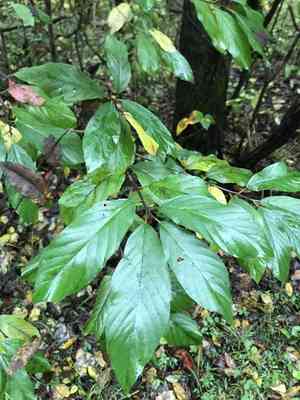
Carolina buckthorn flourishes optimally in bright sunlight, needing more than 6 hours of direct sun each day.
2
While it favors full sun, Carolina buckthorn is versatile and can endure conditions with some shade.
3
Employing a light meter assists in confirming your Carolina buckthorn gets sufficient solar exposure.
Understanding the Sunlight Needs of Carolina buckthorn
Natural Habitat and Light Conditions
Carolina buckthorn originates from the southeastern U.S., frequently found at forest edges and open spaces. In its native environment, it experiences a blend of direct sun and partial shade daily. The plant is accustomed to these varied light conditions, which aids its adaptability across diverse landscape settings.
Optimal Sunlight Exposure
For peak health, Carolina buckthorn flourishes best in full sun, requiring at least 6 hours of direct sunlight daily. This exposure level enhances flowering and fruit production, ensuring the plant achieves its full decorative potential. When situated in a well-lit spot, Carolina buckthorn displays vibrant leaves and more robust growth.
Adaptability to Different Light Conditions
While full sun is ideal, Carolina buckthorn is flexible and can adjust to partial sun, receiving 3 to 6 hours of daily sunlight. In such conditions, the plant might not perform optimally but will still maintain overall health and development. This versatility makes it suitable for various garden designs and light environments.
How to Measure Sunlight for Carolina buckthorn
Using a Light Meter
A light meter is a useful device for precisely gauging the amount of light your Carolina buckthorn receives. To use it, simply position the meter where your plant grows and record the light intensity throughout the day. This helps ensure your plant gets the necessary exposure to thrive.
Assessing Light Intensity by Location
Different garden areas offer varied light conditions. Evaluate spots by observing the duration and strength of sunlight they get. South-facing areas typically receive the most sun compared to east or west-facing spots. Place your Carolina buckthorn where it will get sufficient sunlight for most of the day.
Sunlight Patterns Throughout the Day
Monitoring sunlight patterns can help optimize your Carolina buckthorn's placement. Morning sun is generally cooler and less intense, while afternoon sun provides the strongest rays. Consider these patterns to prevent potential light stress or scorching, especially during peak summer months.
Best Practices for Providing Sunlight to Carolina buckthorn
Positioning in the Garden or Landscape
When choosing a site for your Carolina buckthorn, select a location that maximizes its direct sunlight exposure while offering some protection during the day's hottest hours. Placing it near structures or taller plants that provide partial shade can help balance light conditions.
Supplemental Lighting Options
If natural light is insufficient, particularly indoors or in shaded gardens, consider using supplementary lighting like grow lights. These lights can provide the necessary spectrum and intensity to support healthy growth. Position the lights to cover the plant uniformly, mimicking natural sunlight.
Avoiding Sunburn or Light Stress
Excessive direct sunlight can cause sunburn or light stress, evidenced by scorched or bleached leaves. To prevent this, gradually introduce your Carolina buckthorn to intense light or provide intermittent shading, especially during peak sunlight hours.



