How Much Sunlight Do White ash Need?
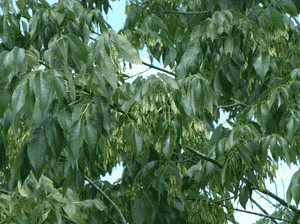
1
White ash trees perform optimally with more than six hours of direct sun exposure each day.
2
While they can endure some partial shade, these trees will achieve greater vigor in full sun environments.
3
Adequate sunlight levels promote better photosynthesis, development, and resilience against ailments in White ash.
What Are the Ideal Sunlight Conditions for White ash?
Full Sun Requirement
For prime health and development, White ash trees need full sun. This means receiving a minimum of 6 hours of direct solar exposure daily. This full sun exposure maximizes the photosynthesis process, ensuring the tree generates ample energy for strong growth. If planning to plant a White ash in your garden, place it where it can get abundant daylight all day.
Partial Shade Tolerance
Although White ash trees thrive in full sun, they are quite adaptable and can tolerate partial shade. If your garden or yard only receives direct sunlight for a portion of the day, your White ash tree can still do well. However, its growth and leaf density might be less vigorous than trees in full sun. In partial shade, aim for at least 4-6 hours of sunlight to maintain its health and strength.
How to Properly Position Your White ash for Optimal Sunlight
Selecting the Right Location
Choosing the correct site for your White ash tree is vital for its development. Seek an open area in your garden that gets uninterrupted sunlight for most of the day. Steer clear of spots consistently shaded by structures or larger trees. Placing your White ash in an ideal location will establish a foundation for a robust and flourishing tree.
Spacing Considerations
When planting White ash, consider the surrounding space. These trees can grow quite large, reaching mature heights of up to 30 meters (98 feet). Ensure adequate room for the branches to spread without competing for light with nearby plants. Planting your trees with sufficient spacing, at least 6 meters (20 feet) apart, will allow for even sunlight exposure and air circulation, fostering healthy growth.
Seasonal Sunlight Variations
Be aware of seasonal shifts that can impact the amount of sunlight your White ash receives. In summer, the sun's path is higher, providing longer and more intense daylight hours. However, in winter, the sun is lower, and daylight hours are shorter. Consider the sun's trajectory and the tree's placement throughout the year to ensure it gets as much sunlight as possible in every season.
What Happens If White ash Doesn't Get Enough Sunlight?
Signs of Insufficient Sunlight
If a White ash tree doesn't receive adequate sunlight, it will begin to show noticeable indications. These may include pale or yellowing leaves, slower growth rates, and sparse foliage. The tree might also have fewer or smaller leaves than normal. By recognizing these symptoms early, you can take steps to enhance the tree's sunlight exposure.
Growth and Health Impact
Insufficient sunlight can severely affect the growth and overall well-being of a White ash tree. A lack of proper sunlight can weaken the tree's structure, making it more vulnerable to pests and diseases. Over time, the tree might struggle to grow, leading to a stunted or unhealthy appearance. Ensuring your White ash gets the necessary sunlight is crucial for its long-term vitality.
Corrective Measures to Increase Sun Exposure
If you determine that your White ash isn't getting enough sunlight, several actions can be taken. Prune surrounding vegetation to reduce shade, or consider relocating younger trees to a more suitable spot. Additionally, trimming the tree's lower branches can help improve its access to sunlight. By implementing these measures, you can enhance the tree's exposure to light and support its development.
What Are the Benefits of Proper Sunlight for White ash?
Improved Photosynthesis
Sufficient sunlight is vital for the photosynthesis process in White ash trees. Sunlight enables the tree to convert light energy into chemical energy, producing the nourishment it needs for growth and development. Enhanced photosynthesis results in a healthier and more vibrant tree, displaying lush green foliage and robust growth.
Enhanced Growth and Vigor
With adequate sunlight, White ash trees exhibit improved growth and vitality. The tree can develop stronger branches, a denser canopy, and a more stable trunk. By receiving the optimal amount of sunlight, the tree's overall cellular functions improve, leading to a more vigorous and healthy appearance.
Increased Resistance to Diseases
A White ash that receives ample sun is also more resistant to illnesses. Proper sunlight exposure helps dry out excess moisture on leaves and branches, reducing the risk of fungal infections and other diseases. Furthermore, a healthier tree with strong photosynthetic capabilities is better equipped to ward off pests and endure environmental stresses.



