How Much Sunlight Do Green ash Need?
1
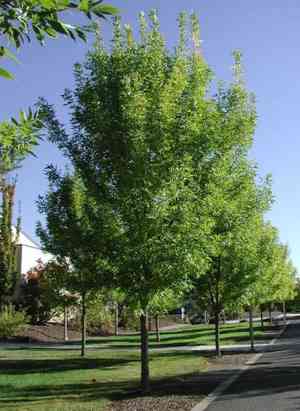
Green ash trees flourish optimally in direct sunlight, getting more than 6 hours of sun each day.
2
They are able to endure some shade, but their growth may be less robust.
3
Light needs can fluctuate with seasonal shifts, which are crucial for their developmental stages.
Optimal Solar Exposure for Green Ash
Full Sun vs. Partial Shade
The Green ash thrives in full sun, necessitating at least six hours of direct sunlight daily. Under these conditions, it exhibits vigorous growth, developing a strong trunk and lush foliage. While it can endure partial shadeâdefined as 3-6 hours of daily sunlightâits growth may decelerate, and leaves might appear less vibrant. Positioning your Green ash where it receives ample sunlight will greatly benefit its overall health and vitality.
Seasonal Light Fluctuations
Sunlight intensity and duration vary by season, impacting the Green ash. During spring and summer, extended daylight and stronger sun foster active growth, critical for the tree's development. Conversely, shorter days and weaker sunlight in fall and winter slow its growth. Understanding these seasonal shifts helps gardeners ensure consistent adequate sunlight, possibly through environmental adjustments or supplemental lighting in darker periods.
Consequences of Insufficient Sunlight for Green Ash
Indicators of Low Light
When a Green ash lacks sufficient sunlight, it displays several clear signs. Leaves may become pale, and its growth rate can significantly decrease. You might also observe branches becoming thin and elongated as the tree stretches to find more light. Leaf drop during the growing season is another key indicator. Monitoring these symptoms allows for prompt action to ensure your Green ash receives the necessary light to flourish.
Impacts on Development and Well-being
Long-term inadequate sunlight can lead to more serious health issues for a Green ash. Stunted development, weakened branch structure, and increased vulnerability to diseases and pests can result from prolonged low light. Without enough sunlight, the tree's photosynthetic capacity is compromised, affecting its energy reserves and overall vigor. Proactive management of light exposure is crucial to prevent these negative effects and foster a healthy, thriving Green ash.
Safeguarding Green Ash from Excessive Sunlight
Signs of Overexposure to Sun
While sunlight is vital, too much, especially during hot summers, can harm Green ash. Symptoms of excessive sun include leaf scorch, where leaves develop brown or yellow edges and tips, and wilting foliage. Heat stress can also cause leaves to curl or drop prematurely. Recognizing these signs helps gardeners understand when their Green ash needs protection from intense sunlight.
Preventative Measures and Solutions
Preventing excessive sunlight involves several tactics. Providing ample water during hot months helps the Green ash stay hydrated and cool. Mulching around the base can keep root zones moist and reduce evaporation. If planted in an extremely exposed area, consider using temporary shade cloths or relocating potted Green ash to a slightly shadier spot during peak afternoon sun. Ensuring a balance of sunlight and shade will promote a healthy, resilient plant.
Optimizing Sunlight for Indoor Green Ash
Ideal Indoor Placement
For indoor Green ash cultivation, choosing the right spot is essential. Position the tree near a south or west-facing window to maximize natural light exposure. If window light is insufficient, you may need to use artificial grow lights to simulate natural sunlight. Rotate the plant periodically to ensure even light distribution and prevent uneven growth.
Artificial Lighting Options
When natural light is scarce, artificial lighting offers an excellent alternative for indoor Green ash. Full-spectrum LED grow lights are effective as they closely mimic natural sunlight. Place the lights approximately 30-45 cm (12-18 inches) above the plant and operate them for 12-16 hours daily to simulate a full day's sun exposure. This practice will help maintain healthy growth and vibrant foliage even in less sunny environments.



