How Much Sunlight Do Indian blanket Need?
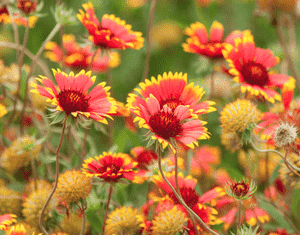
1
Indian blanket prospers most effectively with complete sun exposure, needing more than 6 hours of unblocked daylight each day.
2
This bright blossom can endure some shaded conditions, yet its flowering may be less abundant.
3
Continuously check for indications of sun scorch or insufficient light to maintain the well-being of your Indian blanket.
Optimal Sunlight Conditions for Gaillardia pulchella
Full Sun Requirements
To truly grasp what enables a Gaillardia pulchella to thrive, let's explore its affinity for direct light. This resilient wildflower flourishes best when exposed to abundant sunlight. 'Full sun' signifies an area receiving direct, unobstructed solar rays for a minimum of six hours daily. Such exposure promotes vigorous blooming, yielding the stunning, vivid red and yellow blossoms characteristic of the Gaillardia pulchella. Ideally, choose a garden spot that gets morning and early afternoon sun, ensuring the plant begins its day with ample light.
Partial Shade Tolerance
While Gaillardia pulchella plants prefer bright light, they can endure partial shade. In locations where full sun isn't available, this adaptable flower will still grow, though its flowering might not be as prolific compared to full sun conditions. Partial shade refers to either 3-6 hours of direct sun or filtered light throughout the day. This can be beneficial for cultivators in regions with intense afternoon heat, where some shade can safeguard the plant from potential leaf scorch.
Ensuring Optimal Sun Exposure for Gaillardia pulchella
Selecting the Appropriate Planting Location
Choosing the ideal placement for your Gaillardia pulchella is vital for its development. Seek out areas that are illuminated by the sun for the majority of the day. A south or west-facing garden plot is often perfect, as these positions receive the longest periods of direct sunlight. Confirm your chosen site is clear of any tall flora or structures that could cast shadows on your Gaillardia pulchella.
Managing Shade and Sunlight in Diverse Climates
It's crucial to adjust your plant care based on your local weather patterns. In cooler northern regions, where sunlight is less intense, aim to position your Gaillardia pulchella in the brightest available spot. Conversely, in hotter southern zones, a touch of afternoon shade can prevent the plant from burning while still providing ample morning sunlight. Employing shade cloths or planting near taller, yet non-competitive, vegetation can offer the necessary defense.
Utilizing Supplemental Lighting if Required
If you find natural sunlight inadequate due to indoor cultivation or a particularly shady garden, consider supplementing with artificial illumination. Use horticultural grow lights designed to replicate natural sunlight, ensuring your Gaillardia pulchella receives the light it needs. Position the lights approximately 30-45 cm (1-1.5 feet) above the plant and keep them active for 8-12 hours daily to compensate for reduced natural light levels.
Common Sunlight Challenges for Gaillardia pulchella
Indications of Sunburn
Excessive sunlight, especially in extremely hot climates, can result in sunburn on the foliage of a Gaillardia pulchella. You will observe browning or scorching along the leaf edges and surfaces. Should this occur, contemplate moving the plant to a spot with some afternoon shade or deploying shade cloth to lessen the sun's intensity during the warmest part of the day.
Symptoms of Insufficient Sunlight
Conversely, inadequate sunlight can lead to feeble growth and sparse blooming. If your Gaillardia pulchella appears elongated, with stems extending towards the light, or if it produces fewer flowers that seem less vibrant, these are clear indicators it requires more light. Relocating the plant to a brighter position can often resolve these problems.
Recommendations for Adjusting Sunlight Exposure for Gaillardia pulchella
Seasonal Adjustments
Seasonal shifts influence the quantity and strength of sunlight your Gaillardia pulchella receives. During spring and summer, when days are longer, ensure the plant is well-placed to absorb the sun. As autumn and winter approach, consider repositioning potted plants or using light-reflecting materials to maximize available sunlight. Making slight adjustments each season helps your plant thrive throughout the year.
Employing Mulch to Regulate Soil Temperature
Mulch not only helps retain soil moisture but also aids in maintaining a consistent soil temperature, shielding roots from extreme heat. Applying mulch around your Gaillardia pulchella can keep the plant's root zone cool during hot summer days, indirectly assisting the plant in managing sun exposure more effectively. Choose organic mulch such as straw, leaves, or wood chips, applying a 5-7.5 cm (2-3 inch) layer around the plant's base.



