How Much Sunlight Do Bloody cranesbill Need?
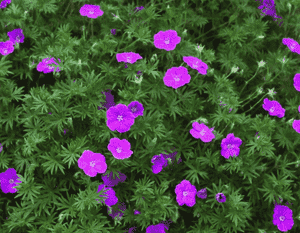
1
Bloody cranesbill flourishes optimally with over six hours of direct sun exposure each day.
2
Shaded conditions during the peak heat of the afternoon can safeguard its foliage from scorching.
3
Employing artificial illumination can augment inadequate natural light for houseplants.
Ideal Sunlight for Bloody Cranesbill
Full Sun Requirements
Bloody cranesbill thrives with ample sun exposure, needing at least six hours of direct sunlight daily. A brightly lit spot encourages abundant flowering and robust growth. In temperate zones, full sun helps the plant endure colder temperatures by providing sufficient energy.
Partial Shade Considerations
While full sun is preferred, Bloody cranesbill can handle some partial shade. If summer temperatures are very high, offering afternoon shade can prevent leaf burn. This partial shading is especially useful in areas with strong midday sun, keeping the plant healthy without significantly reducing its bloom potential.
Effects of Insufficient Sunlight
Lack of adequate sunlight can cause several problems for Bloody cranesbill. The most evident sign is reduced blooming. The plant might produce fewer flowers, and its overall development could be hindered. Additionally, leaves may appear pale or yellow, indicating inefficient photosynthesis. Proper light exposure is vital for its vibrant health and visual appeal.
Balancing Indoor and Outdoor Light
When cultivating Bloody cranesbill indoors, it's crucial to balance natural and artificial light. Position the plant near a south or west-facing window for maximum natural light. During shorter days or in less sunny areas, consider using grow lights. Place these lights approximately 30-45 cm (12-18 inches) above the plant and operate them for 12-14 hours daily to simulate natural sunlight conditions.
How to Position Your Bloody Cranesbill?
Best Locations in Your Garden
Select a garden spot that receives morning and early afternoon sun. East-facing gardens are perfect, offering plenty of light without the intense afternoon heat. Alternatively, place Bloody cranesbill at the front of garden beds or along borders where it can get direct sunlight for most of the day. Ensure the soil drains well to prevent waterlogging, which can harm the plant.
Using Artificial Light Sources
Artificial light can be a valuable supplement, particularly for indoor gardening. LED grow lights are energy-efficient and provide the necessary light spectrum for plants. Full-spectrum LED lights mimic natural sunlight and are ideal for Bloody cranesbill. Positioning these artificial lights 30-45 cm (12-18 inches) above the plants helps ensure they receive the required light intensity.
Seasonal Adjustments
Adjusting your Bloody cranesbill's light exposure seasonally is essential. In winter, when sunlight is weaker, moving the plant to a brighter location can compensate for shorter days. During summer, if the sun is extremely harsh, providing temporary shade can prevent leaf scorching. Garden umbrellas or shade cloths are practical solutions for managing these seasonal changes.
Common Sunlight Issues with Bloody Cranesbill
Signs of Overexposure
Excessive sunlight can lead to leaf scorch, characterized by brown, crispy leaf edges. This indicates the plant is getting too much intense sun and possibly heat. To remedy this, provide partial shade during peak sunny hours or ensure adequate watering to keep the plant hydrated.
Dealing with Shade-Loving Pests
In shaded conditions, Bloody cranesbill might attract pests like slugs and snails, which thrive in damp, low-light environments. To control these pests, maintain good garden hygiene by clearing debris and fallen leaves around the plant's base. You can also use barriers like copper tape around pots or apply organic slug deterrents to protect your plants.
Transplanting for Better Light
If your current planting spot lacks sufficient light, consider relocating your Bloody cranesbill to a sunnier area. Spring or early fall are optimal times for transplanting. Carefully dig up the plant, preserving as much of the root system as possible, and move it to a well-prepared site with improved sunlight exposure. Water thoroughly after transplanting to help the plant establish itself in its new location.



