How Much Sunlight Do Common globe amaranth Need?
1
Globe amaranth flourishes with ample sunlight, requiring a minimum of 6 hours of direct solar exposure daily.
2
Insufficient light often results in elongated stems and diminished bloom production for globe amaranth.
3
Employing shade coverings can lessen the impact of strong mid-day sun during peak summer heat.
Deciphering Common Globe Amaranth's Light Needs
Ideal Light Levels for Common Globe Amaranth
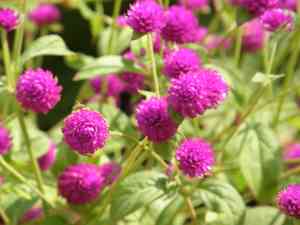
Common globe amaranth flourishes in full sun, meaning it needs at least 6 to 8 hours of direct daylight daily. This species is naturally suited for bright environments where it can efficiently absorb solar energy. With ample sun, the plant will display vigorous growth, vivid flowers, and rich foliage. Placing Common globe amaranth where it gets plenty of light ensures it reaches its peak aesthetic and developmental potential.
Daily Light Duration: Key Information
For robust development, Common globe amaranth should receive a minimum of 6 hours of direct sunlight each day. However, to maximize its flowering and maintain prime condition, aiming for 8 hours can be more advantageous. If the plant doesn't get enough light, it might grow spindly and produce fewer blossoms.
Sunlight Strength: Important Elements
The strength of sunlight is critical for Common globe amaranth. While the plant loves light, it's vital to be aware of extremely high temperatures, particularly at midday during summer. In such situations, employing a light shade cloth can diffuse strong sunrays and prevent the plant from overheating. This balance ensures the plant receives sufficient light without risking potential scorching.
Selecting the Proper Site for Common Globe Amaranth
Top Locations in Your Garden
Common globe amaranth should be planted where it can receive unrestricted sunlight. Optimal spots include the southern or western areas of your garden, where the plant will get consistent light throughout the day. If planting in a garden bed, ensure no large trees or structures will cast excessive shade on the plant.
Balcony and Indoor Placement Advice
If you are cultivating Common globe amaranth on a balcony or indoors, choose the brightest possible location. South or west-facing balconies are preferred. Indoors, position the plant near a large window to receive abundant natural light. A sun reflector can also help boost indoor light availability.
Indicators of Light-Related Problems in Common Globe Amaranth
Symptoms of Insufficient Light
When Common globe amaranth lacks adequate sunlight, it displays distinct warning signs. The plant may become elongated, stretching towards the light source with weak, lengthy stems. Flowering might also be sparse, and the bloom colors could be less vibrant. Relocating the plant to a sunnier spot can help correct these issues.
Impacts of Excessive Light Exposure
While Common globe amaranth enjoys the sun, extreme, unyielding heat, especially in regions with scorching summers, can cause leaf scorch. The foliage may turn brownish and become brittle. In these conditions, providing some afternoon shade with a shade cloth or moving potted plants to a slightly shadier spot during the hottest part of the day can help protect them.
Modifying Light for Common Globe Amaranth's Optimal Growth
Utilizing Shade Cloths and Shields
In areas with intense summer heat, employing shade cloths can be an effective method to modify sunlight for Common globe amaranth. Shade cloths diminish the sun's intensity and safeguard the plant during peak sun hours, ensuring it gets necessary light without overexposure. Gardeners can position these cloths on frames or directly drape them over stakes around the plants.
Seasonal Light Adjustments: Considerations
As seasons change, sunlight strength and duration also fluctuate. During spring and fall, Common globe amaranth typically thrives with full exposure. However, in summer, the extreme midday heat might require partial shade. Conversely, winter months may necessitate moving indoor plants to brighter locations or supplementing light with grow lights to maintain plant health. Being attentive to these shifts can help sustain ideal growth year-round.



