How Much Sunlight Do Velvet plant Need?
1
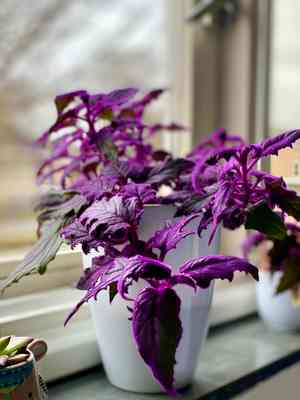
Velvet plant flourishes optimally in brilliant, diffused illumination, though it can endure direct sun exposure for several hours each day.
2
Excessive direct solar radiation may lead to the fading of the vivid purple trichomes on its foliage.
3
For indoor cultivation, positioning your Velvet plant adjacent to an east-facing window can offer optimal light settings.
Optimal Light Conditions for Velvet plant
What Illumination is Best for Velvet plant?
The Velvet plant thrives in bright, indirect illumination. It can flourish in settings where it gets partial sun for approximately 4-6 hours daily. Ideally, morning sun, which is softer, can be beneficial, while the more intense afternoon sun should be diffused by a curtain or cover.
Understanding Natural vs. Artificial Light Sources
Natural light is the preferred source of illumination for Velvet plant. The spectrum from natural sunlight assists in producing the vivid colors on its leaves. However, in locations where sufficient natural light is unavailable, artificial grow lights can be utilized. Ensure these grow lights are active for at least 12-16 hours daily to emulate natural daylight and support the plant's development.
How to Gauge Light Levels for Velvet plant
Employing a Light Meter
A light meter can be an effective device to measure light intensity in your Velvet plant's surroundings. For optimal growth, ensure light levels are between 1,000 to 2,000 lux (93-186 footcandles). Position the sensor at the plant's height to obtain an accurate reading of the light it receives.
Homemade Methods to Assess Sunlight Exposure
If a light meter isn't available, simple DIY techniques can estimate light levels. One method is the shadow test—place your hand between the light source and the plant. A sharp shadow indicates bright light, a faint shadow means moderate light, and no shadow suggests low light. This helps adjust the plant's placement as needed.
Variables Impacting Sunlight Needs for Velvet plant
Geographic Location and Seasonal Changes
Velvet plant's sunlight requirements can fluctuate based on geographical position and seasonal shifts. In northern regions, consider providing more direct light to compensate for shorter, cloudier days. Conversely, in southern areas with intense sunlight, ensure the plant is shielded from midday sun to prevent leaf scorching.
Indoor Versus Outdoor Placement
Indoors, position your Velvet plant near windows that receive ample light, such as east-facing windows for gentle morning sun. Outdoors, placing the plant in an area with dappled sunlight, like beneath a shade tree, can prevent excessive direct sunlight while still providing the necessary light for growth.
Indicators Your Velvet plant is Receiving Too Much or Too Little Sunlight
Signs of Overexposure to Sunlight
Too much sunlight can lead to scorched leaves and faded signature purple hairs on the plant. You will observe browning or crispy edges on the foliage. Moving the plant to a spot with indirect light or providing some form of shading can help alleviate these issues.
Symptoms of Insufficient Sunlight Exposure
When Velvet plant lacks adequate light, it may become leggy, displaying elongated stems and sparse leaves. The vivid purple hairs might also become less noticeable. Increasing light exposure, possibly with the help of grow lights, can assist the plant in recovering its robust state.
Modifying Sunlight for Peak Growth of Velvet plant
Relocating Your Plant for Improved Light
Adjust your Velvet plant's placement according to its light requirements. If indoors, shift the plant closer to or further from windows as needed. For outdoor plants, consider moving them to receive more filtered light throughout the day.
Utilizing Grow Lights
Grow lights offer an excellent solution for ensuring consistent light levels, especially during winter months. Position the lights approximately 15-30 centimeters (6-12 inches) above the plant and set them on a timer for about 12-16 hours daily to mimic natural daylight cycles.
Shading Methods for Excessive Sunlight
For outdoor Velvet plant specimens exposed to too much direct sunlight, consider employing shading techniques. This can involve using a shade cloth, placing the plant under taller plants or structures that provide natural shade, or creating a temporary shade with garden materials to diffuse the sunlight.



