How Much Sunlight Do Swamp rose mallow Need?
1
Swamp rose mallow flourishes optimally with a minimum of 6 hours of unfiltered sun each day.
2
Should you observe the plant's foliage browning or drooping, it might be getting excessive sun exposure.
3
Maintain a steady light regimen across various seasons to sustain your Swamp rose mallow's well-being.
Optimal Light Conditions for Swamp Rose Mallow
Full Sun Requirements for Swamp Rose Mallow
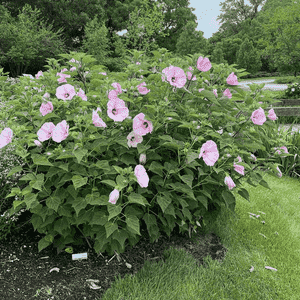
Swamp rose mallow plants thrive in abundant sunlight. Ideally, they need full sun exposure, meaning at least six hours of direct sunlight daily. This promotes robust development, prolific flowering, and overall plant health. More sun leads to better blooms, producing large, vibrant flowers that enhance any garden.
Partial Sun Conditions for Swamp Rose Mallow
While full sun is preferred, swamp rose mallow can endure partial sun, receiving 3-6 hours of daily sunlight. However, in partial sun, the plant might not achieve its full potential in terms of flower production and growth. In areas with dappled light or partial shade, your swamp rose mallow will survive but may not flower as profusely.
Seasonal Sunlight Variations for Swamp Rose Mallow
Seasonal changes impact the sunlight received by your swamp rose mallow. During spring and summer, peak sun intensity helps the plant flourish and produce stunning blooms. In contrast, shorter days and reduced sunlight in fall and winter can slow growth. Maximizing light exposure, even in cooler months, helps maintain year-round plant health.
Ensuring Adequate Sunlight for Your Swamp Rose Mallow
Assessing Garden Sunlight Exposure
Before planting swamp rose mallow, evaluate your garden's sunlight. Identify spots receiving direct sun for most of the day. Use a light meter to measure direct sunlight in different areas. Mark these spots and plan planting accordingly. Even an hour more of sun can significantly benefit the plant.
Optimizing Plant Placement for Maximum Sunlight
Once sunny spots are identified, position your swamp rose mallow there to ensure sufficient light. Avoid planting near tall trees or structures that cast long shadows, limiting sun exposure. Ideally, plant on the south-facing side of your garden, which typically receives the most daily sunlight.
Using Reflective Surfaces to Increase Light Exposure
To boost sunlight, use reflective surfaces around your swamp rose mallow. White pebble mulch, reflective garden decor, or strategically placed mirrors can direct extra light onto plants. This is especially useful in partially shaded gardens or areas with inconsistent full sun.
Impact of Incorrect Sunlight on Swamp Rose Mallow
Signs of Excessive Sun for Swamp Rose Mallow
Too much direct sunlight can harm your swamp rose mallow. Symptoms include scorched or yellowing leaves, wilting, and stunted growth. Be watchful during peak summer when sun intensity is highest; consider providing shade during the hottest part of the day if these signs appear.
Symptoms of Insufficient Sunlight Exposure
Conversely, inadequate light can manifest in several ways. These include leggy growth, fewer blooms, and paler leaf color. The plant may also become more vulnerable to diseases and pests due to weakened vitality. A balanced sunlight exposure is crucial for a lush and vibrant swamp rose mallow.
Can Swamp Rose Mallow Thrive Indoors?
Adjusting Indoor Lighting for Swamp Rose Mallow
Bringing a swamp rose mallow indoors requires careful light management. Place it near a south-facing window for maximum natural light. If natural light is insufficient, supplement with artificial lights to replicate outdoor conditions.
Choosing Appropriate Artificial Lights
Not all artificial lights suit swamp rose mallow. Select full-spectrum grow lights that mimic natural sunlight. LED grow lights are an excellent choice, being energy-efficient and providing the necessary light spectrum for growth and blooming.
Monitoring Indoor Light Conditions
Closely observe light levels in your indoor space. Use a light meter to ensure adequate intensity, adjusting artificial lighting as needed. Regularly check the plant for signs of light stress and respond promptly to maintain its health and vigor.



