How Much Sunlight Do Porcelainflower Need?
1
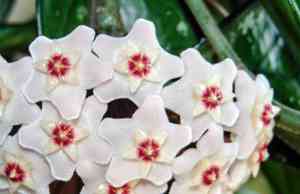
Porcelainflower flourishes with partial light exposure, receiving roughly 3 to 6 hours of sun each day.
2
Filtered light is usually most suitable for Porcelainflower, particularly for indoor cultivation.
3
Excessive solar exposure may lead to burnt foliage in Porcelainflower.
Optimal Illumination for Hoya (Porcelainflower)
What is the Most Favorable Light Intensity for Hoya?
Hoya, a beloved houseplant recognized for its waxy, aromatic blossoms, thrives in moderate sunlight. Ideally, this botanical specimen should absorb approximately 3-6 hours of daylight daily. Natural illumination from an east or west-facing window is typically perfect. It's crucial to regulate light strength to ensure the plant can photosynthesize efficiently without suffering from excessive exposure.
How to Distinguish Between Direct and Diffused Sunlight
When discussing light for indoor plants, it's essential to grasp the distinction between direct and indirect sunlight. Direct sunlight means solar rays strike the plant unimpeded. This can be too potent for Hoya. Conversely, indirect sunlight occurs when light is dispersed, such as through a sheer drape or when the plant is positioned near a window but not directly in the sun's path. Indirect light is generally milder and safer, diminishing the risk of scorching.
Indicators of Inadequate Light for Hoya
What Occurs If Hoya Receives Insufficient Light?
Light is vital for Hoya's well-being. Without proper light, the plant's development can significantly decelerate. You might observe fewer blossoms because the plant isn't acquiring enough energy to generate its characteristic porcelain-like flowers. Over time, a lack of light can lead to overall poor health, rendering the plant susceptible to pests and diseases.
Recognizing Common Symptoms of Light Deficiency
Typical signs that your Hoya isn't getting enough light include yellowing foliage, elongated growth (where the plant becomes spindly and sparse as it reaches for any available light), and leaf shedding. Additionally, the plant's stems may weaken and begin to droop. If you notice these indicators, consider relocating your plant to a brighter position.
Repercussions of Excessive Light on Hoya
Can Too Much Sunlight Harm Hoya?
Indeed, abundant sunlight can be detrimental to Hoya. While this plant appreciates a good amount of light, direct exposure to intense midday sun, particularly through windows, can lead to issues. The overly harsh light can damage the plant's delicate leaves, causing them to dehydrate and scorch.
Symptoms of Light Overexposure
Indicators of excessive sunlight exposure include brown, crisp edges on the leaves, discoloration to yellow, and even the appearance of sun scald spots which manifest as bleached areas on the foliage. If you observe these signs, it's time to move your Hoya to a location that receives more filtered sunlight or provide some shading during peak sun hours.
Optimizing Indoor Illumination for Hoya
Optimal Indoor Placements for Hoya in Your Residence
Locating the correct spot for your Hoya is fundamental to its health and blooming potential. East-facing windows are ideal as they offer gentle morning sunshine. West-facing windows can also be suitable if the plant is not too close to the glass, which can intensify the afternoon sun. North-facing windows typically don't provide sufficient light, while south-facing windows might necessitate some diffusion, like sheer curtains, to prevent overexposure.
Utilizing Artificial Lighting Effectively
If natural light is inadequate, supplemental lighting can be beneficial. Fluorescent lights are a good choice as they emit a cool, white light that resembles daylight. Position the light approximately 12-24 inches (30-60 cm) above the plant for optimal impact. LED grow lights are also an excellent option, being energy-efficient and adjustable to provide the precise light spectrum Hoya requires to flourish even in spaces with limited natural illumination.



