How Much Sunlight Do Panicle hydrangea Need?
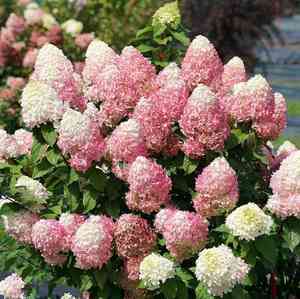
1
Panicle hydrangeas flourish in environments ranging from full sun to partial shade.
2
For best development, guarantee Panicle hydrangeas receive a minimum of 6 hours of direct sunlight each day.
3
Morning light typically offers greater advantages than intense afternoon sun for Panicle hydrangeas.
Grasping Light Needs for Panicle Hydrangea
The Importance of Light for Panicle Hydrangea
Light is crucial for photosynthesis, which fuels the growth and flowering of Panicle hydrangea. Sufficient light promotes robust health, vivid blooms, and strong stems. Without adequate light, the plant can weaken, and flowering may be scarce or absent.
Light Types and Their Effects
Light intensity and duration vary throughout the day. Morning light is typically cooler and less intense, offering gentle energy beneficial to Panicle hydrangea. Afternoon light is stronger and can sometimes cause stress, leading to leaf scorch and dehydration. Filtered light can provide a balance, offering enough illumination without overwhelming the plant.
Optimal Light Conditions for Panicle Hydrangea
Full Sun vs. Partial Shade: Making the Choice?
Panicle hydrangea tolerates various light conditions but thrives best in full sun to partial shade. Full sun means the plant gets over 6 hours of daily sunlight, which is excellent for flowering. Partial shade, where the plant receives 3 to 6 hours of direct light, can also work but might result in fewer blooms. Select based on your local climate and garden space.
Morning Light vs. Afternoon Light: Which is Superior?
Morning light is preferred for Panicle hydrangea. Its gentler rays help the plant begin the day energized without the risk of scorching. Conversely, afternoon light, though stronger, can be too intense and may cause leaf burn or wilting. If possible, position your plant to receive more morning light and some afternoon shade.
Indicators of Excessive Light for Panicle Hydrangea
Leaf Scorch Symptoms
A primary sign that your Panicle hydrangea is getting too much light is leaf scorch. Look for brown, dry edges on the foliage. These burned areas suggest the plant is stressed from overexposure to sunlight.
Wilting and Drooping
Another indicator of too much light is wilting or drooping leaves during the day's hottest periods. While some temporary wilting is normal, persistent drooping signifies the plant is struggling to cope with heat and light levels.
Indicators of Insufficient Light for Panicle Hydrangea
Poor Flowering
Inadequate light often leads to poor flowering. If your Panicle hydrangea isn't producing its usual vibrant blossoms, it might not be getting enough light. Ensure it receives at least 6 hours of direct sunlight.
Stunted Growth
Slow or stunted development can also indicate that your Panicle hydrangea isn't receiving enough light. Sufficient light is vital for the plant's energy production and overall vigor.
Optimizing Light Conditions for Panicle Hydrangea
Placement Choices
Select a spot that offers the best light balance. East-facing locations are ideal, providing gentle morning light and shielding the plant from intense afternoon rays. This placement helps the plant flourish without overheating.
Utilizing Light Filters
If your garden lacks ideal shade, consider using light filters like shade cloths or strategically placing other plants to cast filtered shade on your Panicle hydrangea. This method can help manage direct light exposure and prevent leaf burn.
Seasonal Light Adjustments
Remember that light angles and intensity shift with the seasons. In warmer months, you might need to provide extra shade or water more often. During cooler months, ensure your Panicle hydrangea still gets enough light by pruning back any overgrown vegetation that might block illumination.



