How Much Sunlight Do Showy stonecrop Need?
1
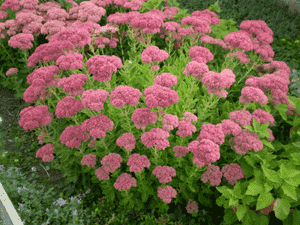
Showy stonecrop flourishes optimally in full sun, preferably receiving over 6 hours of direct sunlight each day.
2
Showy stonecrop tolerates partial sun, though its flowering may be less robust.
3
Inadequate light can lead to elongated stems and reduced bloom quantity for Showy stonecrop.
Required Sunlight for Showy Stonecrop
Optimal Illumination
For Showy stonecrop, peak development occurs with complete sun exposure, meaning it should get at least six hours of direct daylight daily. This succulent thrives in bright, unfiltered light, making it perfect for open gardens and sunny patios. Ample sunlight encourages robust growth, vivid foliage, and abundant blooms, enhancing your garden's appeal.
Sunlight Duration
While Showy stonecrop can endure less-than-ideal conditions, it flourishes with extended periods of sunlight. Aim for a minimum of 6 to 8 hours of sun exposure daily. In areas with hot, intense summers, consider offering some afternoon shade to prevent potential leaf scorching, while still ensuring the plant receives sufficient light to thrive. Essentially, more sun is better for your Showy stonecrop.
Indicators of Excessive or Insufficient Light
Observing your Showy stonecrop offers valuable insights into its light requirements. If your plant lacks adequate sunlight, you might notice elongated growth and fewer blossoms. Stems may stretch and weaken, while foliage can appear dull and sparse. Conversely, if exposed to too much intense sunlight, particularly in very hot climates, leaves might show sunburn symptoms, such as browning or crisping at the edges. In either scenario, adjusting light conditions can help restore its health and appearance.
Prime Locations for Showy Stonecrop
Outdoor Placement
Outdoor gardens are perfect for Showy stonecrop. Selecting spots with abundant direct sunlight, like south or west-facing areas, will be advantageous. Ensure the soil drains well to prevent root rot, a risk if the plant stays in wet conditions too long. Raised beds or rock gardens are also excellent choices for improving drainage and maximizing sun exposure.
Indoor Placement
If you prefer cultivating your Showy stonecrop indoors, position the plant near a bright window, ideally south or west-facing, where it can receive ample direct sunlight. Indoor plants may require extra care, such as rotating the pot to ensure even light distribution and prevent the plant from becoming uneven. Supplemental artificial grow lights can assist natural light, especially during less sunny winter months.
Adapting Showy Stonecrop to Varied Light Conditions
Transitioning Light Levels
If you need to relocate your Showy stonecrop to a new spot with different light conditions, move it gradually to minimize stress. Abrupt changes in light intensity can shock the plant. Begin by moving it to the new location for a few hours daily, progressively increasing the duration over one to two weeks until it fully adjusts to the new light level. This method helps the plant adapt smoothly and reduces the risk of leaf burn or other damage.
Utilizing Artificial Light
Artificial grow lights can be an excellent solution for those with limited natural light. Full-spectrum LED grow lights are particularly effective for supporting Showy stonecrop's growth. Position the grow lights approximately 30 centimeters (12 inches) above the plant to mimic natural sunlight intensity, and use a timer to ensure consistent light, ideally for 12-14 hours daily. This setup can help maintain healthy growth and flowering even in low-light indoor environments.
Seasonal Sunlight Considerations for Showy Stonecrop
Spring and Summer
During spring and summer, with longer days, your Showy stonecrop will flourish with abundant sunlight. Ensure consistent watering to match its increased growth rate, but be careful not to overwater, as excessive moisture can lead to root rot. Regularly check the plant for any signs of sunburn and provide partial shade if needed in extremely hot conditions.
Autumn and Winter
In autumn and winter, sunlight diminishes, which may slow your Showy stonecrop's growth. Reduce watering during these months, allowing the soil to dry out more between waterings to mimic the plantâs natural dormant period. If growing indoors, consider using grow lights to supplement the reduced natural light, helping to maintain the plant's health and vigor through the darker months.



