How Much Sunlight Do Common St. John's wort Need?
1
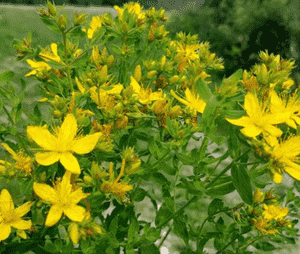
Hypericum perforatum flourishes with more than six hours of direct sun exposure each day.
2
While this species can endure some shade, it achieves optimal growth in full sun conditions.
3
Observe your plant for indications of insufficient light, including foliage discoloration or stunted development.
Optimal Light Conditions for Hypericum perforatum
Full Sun Requirements
For Hypericum perforatum to flourish, it needs direct sunlight for at least six hours daily. This amount of light aids the plant in producing its vibrant, cheerful yellow blossoms and maintaining vigorous development. Positioning the plant where it receives direct sun from morning to afternoon will ensure it reaches its full potential in terms of bloom and foliage density.
Partial Sunlight Tolerance
Hypericum perforatum can endure partial sunlight, but it will perform best in full sun. In areas with very intense solar radiation, some afternoon shade can prevent stress. For optimal results, provide a balance where the plant gets ample direct sunlight while being shielded during the hottest parts of the day if necessary.
Ensuring Proper Sun Exposure
Identifying the Best Garden Spot
To find the ideal spot for Hypericum perforatum in your garden, seek an area that receives full sun for most of the day. South-facing locations are typically suitable as they get consistent sunlight. Ensure the plant isn't overshadowed by taller vegetation or structures that could block light, and that it's placed where there is good air movement.
Seasonal Light Adjustments
Depending on the season, you may need to modify the amount of sunlight your Hypericum perforatum receives. During the warmer summer months, providing some afternoon shade can protect the plant from stress. Conversely, in cooler months, maximize sun exposure by removing any obstructions that might cast shadows on the plant.
Signs of Inadequate or Excessive Light
Symptoms of Insufficient Sunlight
If your Hypericum perforatum isn't getting enough light, you'll observe issues like yellowing foliage, elongated growth (where the plant grows taller but less dense), and reduced blooming. The plant will stretch towards the light, often resulting in weaker stems and fewer flowers.
Indicators of Too Much Sunlight
Conversely, excessive sunlight can lead to leaf scorch, where the leaf edges turn brown and brittle. The plant might also exhibit signs of distress, such as wilting despite adequate hydration. If you notice these symptoms, consider offering some afternoon shade to shield the plant from intense sun exposure.
Managing Light Exposure for Hypericum perforatum
Using Mulch and Shade Cloth
Applying mulch around the base of your Hypericum perforatum can help retain soil moisture and keep roots cool, especially during hot weather. Additionally, using shade cloth during peak sun hours can prevent the plant from receiving too much direct sun, which is particularly helpful if it's showing signs of light stress.
Pruning for Sun Control
Pruning is another effective method for managing light exposure. By trimming back overgrown sections and shaping the plant, you can ensure better air circulation and light distribution. Regular pruning can also remove damaged or sunburnt leaves, promoting healthier growth and more blooms.



