How Much Sunlight Do Chinese holly Need?
1
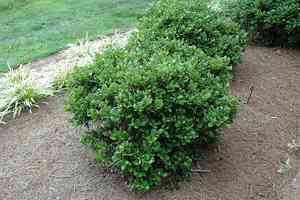
Chinese holly flourishes optimally when exposed to full sunlight, receiving a minimum of 6 hours of direct sun daily.
2
It can withstand partial shade, though this might lead to a reduced berry production and less intense leaf color.
3
Observe the leaves for indicators of strain, as they can reveal if the plant is receiving an inadequate or excessive amount of sunlight.
Grasping Chinese Holly's Sun Needs
The Vital Role of Sunlight for Chinese Holly Development
Sunlight is fundamental for the development and vitality of Chinese holly. This evergreen shrub thrives with ample sun exposure to cultivate rich, green foliage and vibrant fruit. Sun not only assists in photosynthesis but also impacts the plant's overall vigor. Ensuring your Chinese holly gets proper light will help it remain strong and visually appealing throughout the year.
Photosynthesis and Chinese Holly: How Sunlight Contributes
Photosynthesis is the process where Chinese holly transforms sunlight into energy. This energy drives growth and berry creation, making sunlight a critical element of the plant's life cycle. Without sufficient light, this process slows, leading to stunted growth and reduced fruiting. Essentially, more sunlight means more energy for your Chinese holly to flourish.
Optimal Light Conditions for Chinese Holly
Ideal Illumination: Full Sun versus Partial Shade
Chinese holly flourishes best in full sun, which implies it should receive a minimum of 6 hours of direct sunlight daily. While the plant can withstand partial shade, less consistent, intense light might result in fewer berries and duller leaves. Thus, positioning your Chinese holly where it gets abundant sunlight is crucial for its overall health and beauty.
Seasonal Light Changes and Their Influence
Seasonal variations can impact the amount of sunlight your Chinese holly receives. In summer, it might get more than enough sun, whereas in winter, it could receive significantly less. To counterbalance these shifts, consider placing your plant where it can capture as much light as possible year-round. During colder months, you might need to move it or use supplemental artificial lighting to maintain its well-being.
Indications Chinese Holly Needs More or Less Light
Symptoms of Insufficient Sunlight
A Chinese holly suffering from inadequate sunlight often displays pale or yellowing leaves, elongated growth, and fewer berries. If you observe these signs, it's a clear indication your plant requires more illumination. Relocate it to a brighter spot or consider using grow lights to boost light exposure.
Signs of Excessive Sun Exposure
Conversely, too much sunlight can cause leaf scorching, identified by brown, crisp edges, and wilting. Although Chinese holly appreciates the sun, excessive direct sunlight, particularly during the hottest part of the day, can overwhelm the plant. To safeguard your plant, provide some afternoon shade or use a light shade cloth.
Managing Light for Indoor and Outdoor Chinese Holly
Indoor Chinese Holly: Supplying Adequate Light
If you're cultivating Chinese holly indoors, position it near a south-facing window where it can receive the bright, indirect light it requires. You may also need to rotate the plant regularly to ensure uniform light distribution. During darker periods, augment natural light with artificial grow lights to keep it vibrant.
Outdoor Chinese Holly: Placement and Care
For outdoor Chinese holly, select a spot that receives full sunlight for at least 6 hours daily. If your region experiences extreme heat, offer some afternoon shade to shield the plant. Regularly check soil moisture as sunny locations can dry out rapidly, and mulching can help retain hydration.
Utilizing Supplemental Lighting When Required
Artificial lighting can be a savior for Chinese holly plants, particularly during the shorter days of winter. LED grow lights are an excellent choice as they offer the light spectrum plants need for photosynthesis. Place the lights 30-45 cm (12-18 inches) above the plant and operate them for 12-16 hours daily to mimic natural sunlight.



