How Much Sunlight Do Lusterleaf holly Need?
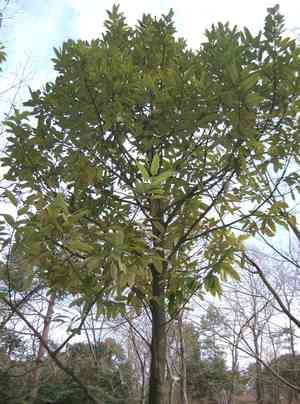
1
Lusterleaf holly flourishes optimally when exposed to a minimum of 6 hours of unblocked sun daily.
2
Insufficient light may lead to Lusterleaf holly exhibiting thin leaf coverage and reduced berry yield.
3
Throughout the colder seasons, Lusterleaf holly profits from all accessible sunlight, helping to preserve its rich foliage hue.
Optimal Sunlight Requirements for Lusterleaf holly
Ideal Light Intensity
The Lusterleaf holly exhibits considerable adaptability regarding light intensity. However, for peak development, it thrives in bright sunlight. Ideally, this plant should experience high light levels, situated in a location with complete sun exposure. A garden bed or area receiving unfiltered sunlight is perfectly suited. Providing this degree of light intensity ensures the Lusterleaf holly efficiently conducts photosynthesis, which is vital for its growth and general well-being.
Daily Sunlight Duration
This species requires a minimum of 6 to 8 hours of direct solar exposure daily. This duration enables the plant to gather ample light for substantial energy production and contributes to developing a robust physical structure. If you reside in a region where sunlight is not plentiful year-round, consider placing the Lusterleaf holly in the most sun-drenched part of your garden to maximize its sun intake during shorter days.
Partial Shade vs. Full Sun
Lusterleaf holly is quite adaptable and can endure partial shade, but for optimal growth, full sun is preferred. In partial shade, the plant may still develop but might exhibit slower growth and produce fewer berries. Therefore, while partial shade is acceptable, full sun exposure (at least 6 hours) ensures the plant reaches its maximum potential. If cultivated in partial shade, guarantee other care aspects like soil quality and watering are diligently managed to compensate for the reduced solar exposure.
Maximizing Sunlight Exposure for Lusterleaf holly in Different Seasons
Spring and Summer Light Requirements
During spring and summer, the Lusterleaf holly needs abundant sunlight as this is its primary period of active growth. Ensure it receives direct sunlight for a minimum of 6-8 hours daily. The extended daylight hours of summer offer an excellent opportunity for the plant to accumulate energy necessary for the more dormant winter period. Additionally, consistent watering helps the plant cope with high temperatures and optimize sun absorption for vigorous summer growth.
Fall and Winter Light Needs
In fall and winter, daylight hours are shorter, which can affect the light availability for the Lusterleaf holly. Despite the decreased daylight, the plant still needs as much sun as possible. Positioning the plant where it can capture the low winter sun will help it maintain leaf coloration and health. Even during these colder months, the plant's exposure to sunlight is crucial for its overall vitality and prepares it for a strong spring growth cycle.
Effects of Sunlight on Growth and Health of Lusterleaf holly
Growth Patterns
Sufficient sunlight directly impacts the growth patterns of the Lusterleaf holly. When supplied with adequate sunlight, the plant grows vigorously, exhibiting a dense and appealing foliage structure. Poor light conditions can result in etiolated growth, where stems become longer and weaker as they stretch for more light, which is less desirable. Consistent, intense sunlight ensures the plant maintains a balanced and healthy growth habit.
Leaf Health and Coloration
Sunlight profoundly influences the leaf health and pigment of the Lusterleaf holly. With ample sunlight, the leaves tend to be vibrant and rich in hue, giving the plant its distinctive lush appearance. Conversely, insufficient sunlight can cause leaves to become pale or dull, indicating inadequate chlorophyll production. Ensuring the plant receives enough light helps preserve its aesthetic appeal and overall health.
Flowering and Berry Production
The Lusterleaf holly is recognized for its attractive blossoms and fruits, which are also dependent on sunlight. Adequate sunlight is essential for the plant to flower profusely and develop berries. Inadequate light can lead to poor or absent flowering and minimal berry production. Therefore, situating the plant in a sun-rich area is crucial for displaying its full botanical splendor, especially during its blooming and fruit-bearing stages.
Troubleshooting Sunlight Issues in Lusterleaf holly
Identifying Signs of Sunburn
While sunlight is vital, excessive exposure can also be detrimental. Signs of sun scorch in Lusterleaf holly include browning or burnt leaf margins and tips. If you observe such symptoms, it might be beneficial to provide some afternoon shade when the sun's intensity peaks. Placing a temporary shade cloth or planting taller companion plants nearby can help offer relief from overly direct sunlight.
Symptoms of Insufficient Light
Conversely, a lack of light can also create problems. Indicators of inadequate sunlight include stunted development, pale or yellowing leaves, and sparse foliage. These signs suggest the plant is not photosynthesizing efficiently due to insufficient light. If such symptoms appear, consider moving the plant to a brighter location or pruning back nearby plants that may be casting too much shade.
Adjusting Light Conditions
To modify light conditions for your Lusterleaf holly, assess its current placement and make adjustments accordingly. If sunburn or excessive shade is your concern, consider gradually altering the plant's position to prevent shock. Moving the plant to receive morning sun and afternoon shade can help balance its light exposure. Regularly monitoring the plant's reaction to new light conditions will guide you in making further adjustments if necessary.



