How Much Sunlight Do Yaupon Need?
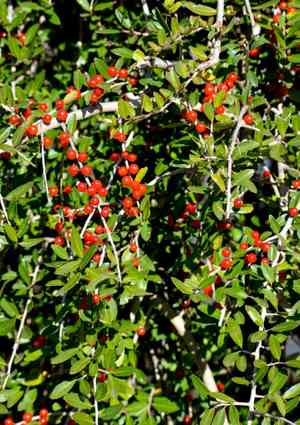
1
Yaupon plants flourish with over six hours of direct sun each day.
2
Although Yaupon tolerates some shade, it grows best in full sunlight.
3
Observing sun exposure helps avoid problems like scorched leaves or stunted development.
Ideal Light Conditions for Yaupon
Full Sun Requirements
The Yaupon plant flourishes with full sun, meaning it needs at least 6 hours of direct sunlight daily. Ample sun exposure is crucial for its strong development, healthy leaves, and plentiful berry yield. Without enough light, Yaupon might not achieve its full size and visual appeal.
Partial Shade Tolerance
Yaupon can also endure partial shade, making it a flexible option for various garden settings. In partial shade, the plant still performs well but might grow somewhat slower and produce fewer berries compared to those in full sun. However, it's vital to ensure the plant receives at least 4-6 hours of sunlight to maintain its health.
Impact of Insufficient Sunlight
Inadequate sunlight can negatively affect Yaupon in several ways. The plant may become spindly, with sparse foliage and reduced berry production. Additionally, low light levels can weaken the plant, making it more vulnerable to pests and diseases. Ensuring your Yaupon gets sufficient sunlight is key to its vitality and beauty.
Best Practices for Yaupon Placement
Choosing the Right Location
When planting Yaupon, select a spot that receives abundant sunlight throughout the day. South-facing areas are generally perfect, as they offer the most consistent sun exposure. Avoid placing the plant near tall structures or trees that cast long shadows, as this can limit the sunlight Yaupon receives.
Adjusting for Seasonal Sunlight Changes
It's important to consider seasonal shifts in sunlight when positioning your Yaupon. During winter, the sun's angle is lower, and certain areas may get less sunlight. Adjust the plant's placement if needed, either by moving potted plants to brighter spots or pruning nearby plants that might block sunlight.
Use of Artificial Lighting
Where natural sunlight is insufficient, especially for indoor Yaupon plants, artificial lighting can be an effective solution. Use grow lights that mimic the full spectrum of natural sunlight to supplement the plant's light needs, ensuring they are on for at least 6-8 hours daily to promote healthy growth.
Common Sunlight-Related Issues for Yaupon
Signs of Too Much Sunlight
While Yaupon prefers full sun, excessive sunlight can cause leaf scorch. Signs of too much sun include yellowing or burned leaves, and in severe cases, leaf drop. To prevent this, consider providing some afternoon shade or using a shade cloth during peak summer months.
Signs of Too Little Sunlight
Insufficient sunlight can manifest in several ways. The Yaupon plant may show elongated stems, smaller leaves, and decreased berry production. Additionally, the foliage might lose its vibrant green color, becoming pale or yellow. Address these issues by moving the plant to a sunnier location or improving lighting conditions.
Remedial Measures for Sunlight Issues
To correct sunlight-related problems, first assess your Yaupon's current placement and ensure it receives the correct amount of sunlight. For plants suffering from too much sun, provide partial shade during peak sun hours. For those with too little light, consider moving them to a more exposed spot or using supplemental grow lights.
Monitoring and Adapting to Yaupon's Light Needs
Using Sunlight Meters
Sunlight meters are an excellent tool for gauging how much light your Yaupon is getting. By placing the meter next to your plant, you can obtain an accurate reading of light levels and make informed decisions about relocating your plant or adjusting its environment to meet its sunlight needs.
Observing Plant Reactions
Regularly observing how your Yaupon responds to its current light conditions can offer valuable insights. Look for visual cues such as leaf color, growth rate, and overall plant health. Healthy, vibrant foliage and robust growth typically indicate adequate sunlight, whereas pale, leggy growth suggests the need for more light.
Regular Adjustments for Optimal Growth
Adjusting your Yaupon's position periodically can help maintain ideal growth conditions. As environmental factors and sunlight patterns change, be proactive in moving your plant or modifying its surroundings. Regularly reassessing and tweaking its placement ensures that your Yaupon continues to thrive throughout the year.



