How Much Sunlight Do Yellow flag Need?
1
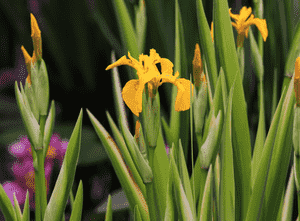
Yellow flag flourishes in a range of light conditions, from full sun to partial shade, offering adaptability for various garden locations.
2
To achieve the best development, ensure it receives more than 6 hours of direct solar exposure each day.
3
Observe your Yellow flag for indications of overexposure to sunlight, and modify its light placement as needed.
Optimal Light Conditions for Yellow flag
Full Sun Requirement
The Yellow flag is a robust plant that generally thrives in full sun. This means it performs best when exposed to direct sunlight for over 6 hours daily. Abundant sunlight fosters vigorous growth, vibrant yellow blossoms, and overall plant vitality. If you're cultivating Yellow flag, selecting a site that provides ample direct light will ensure its prosperity.
Partial Sunlight Tolerance
While Yellow flag flourishes in full sun, it also exhibits notable resilience to partial sunlight. It can fare quite well with 4 to 6 hours of direct sun, making it a versatile option for various garden environments. If your garden has shaded areas from trees or structures, positioning the Yellow flag there can still result in healthy development and flowering.
Best Growing Locations for Yellow flag
Garden Placement
When selecting a spot in your garden for the Yellow flag, consider areas that receive plentiful morning sunlight. Morning sun assists the plant in drying off dew, thereby reducing the chance of fungal diseases. Optimal locations include the southern or eastern sides of your garden where it can absorb the day's initial rays.
Water Garden Spots
The Yellow flag is an excellent choice for water gardens or pond edges. These environments often supply the moisture levels that Yellow flags prefer while still allowing access to ample sunlight. Ensure the plant receives direct sunlight for the majority of the day, possibly filtered by taller plants or trees during peak hours.
Sunlight and Yellow flag's Growth Cycle
Seedling Stage
During its seedling phase, Yellow flags require abundant sunlight to initiate growth. Young plants benefit from placement in brightly lit areas, but be mindful of extreme heat that could potentially scorch delicate seedlings. Gradual acclimatization of seedlings helps them adapt to full sun conditions.
Maturation Stage
As the Yellow flag matures, its need for sunlight remains substantial. Fully grown plants develop stronger, more extensive root systems and foliage, enabling them to maximize the sunlight they receive. Ensure your mature Yellow flag continues to get over 6 hours of daily sunlight for consistent blooming and well-being.
Identifying Sunlight Stress in Yellow flag
Signs of Excessive Sunlight
Too much sunlight can sometimes cause stress to your Yellow flag. Look for indications such as leaf scorching, which appears as brown, brittle leaf edges, or pronounced yellowing of the foliage. These symptoms suggest the plant might be receiving excessive direct sunlight, particularly during the intense midday sun.
Signs of Insufficient Sunlight
Conversely, inadequate sunlight can also negatively impact your Yellow flag. Symptoms include etiolated growth, where the plant appears elongated and weak, and fewer or smaller blossoms. If these signs are observed, consider moving your plant to a more brightly lit location or pruning any obstructions blocking the light.
Tips for Maximizing Sunlight Exposure
Utilizing Shade Cloth
During periods of intense heat, especially in mid-summer, employing shade cloth can help protect your Yellow flag from excessive sunlight. Shade cloths reduce the amount of direct sunlight reaching the plant while still permitting sufficient light for photosynthesis, preventing scorching and plant stress.
Sunlight Management Across Seasons
Seasonal variations influence the quantity and intensity of sunlight your Yellow flag receives. In spring and autumn, ensure plants get as much sunlight as possible, as these periods have less intense solar radiation. In summer, monitor for signs of stress and consider afternoon shading strategies. During winter, if kept indoors, position plants in the sunniest window available.



