How Much Sunlight Do Sheep laurel Need?
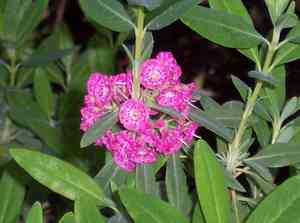
1
Provide Sheep laurel with approximately 3-6 hours of direct sunlight each day for best development.
2
While Sheep laurel can endure complete sun exposure, a partially shaded location is preferable.
3
Observe variations in sunlight throughout the year to modify the plant's light access as needed.
What are the Sunlight Requirements for Sheep laurel?
Optimal Sunlight Conditions
For Sheep laurel to flourish, the ideal situation is to ensure it receives partial sun, meaning approximately 3-6 hours of direct sunlight daily. This duration offers the correct equilibrium, sufficient to power photosynthesis without overwhelming the plant. Positioning your Sheep laurel where it gets morning sun and is shaded during the intense afternoon heat is perfect for its development and vitality.
Minimum and Maximum Light Tolerance
Sheep laurel exhibits considerable adaptability regarding light tolerance. While it favors partial sun, it can also endure full sun conditions, which typically implies over 6 hours of direct sunlight per day. However, in warmer climates, prolonged exposure to full sun might potentially stress the plant. Conversely, Sheep laurel can cope with slightly less sunlight, but limited exposure could lead to slower growth and fewer flowers.
Seasonal Sunlight Variation
Seasonal shifts significantly impact the sunlight your Sheep laurel receives. During summer, days are longer, providing more light, so it's crucial to ensure the plant doesn't get excessive direct sunlight, which might necessitate providing some shade. In contrast, during the shorter winter days, you might need to place it in the sunniest available spot to guarantee it gets adequate light.
How to Ensure Proper Sunlight for Sheep laurel?
Choosing the Right Location
Selecting the appropriate site for your Sheep laurel is vital. Ideally, you should position it in a location that receives morning sunlight and is protected from the harsh afternoon rays. A spot with filtered sunlight, such as beneath the canopy of taller trees, can provide an excellent environment. Ensure it is not placed in deep shade, as this will impede its growth and bloom production.
Using Natural and Artificial Light
While natural sunlight is the primary light source for Sheep laurel, sometimes it may be insufficient, especially during winter months or in areas with limited sun exposure. In such instances, supplementing with artificial light can be advantageous. Utilize grow lights that mimic the natural spectrum of sunlight. Position them about 30 cm (12 inches) above the plant and operate them for approximately 6-8 hours daily if natural sunlight is inadequate.
Monitoring Sun Exposure
Regularly observing the sun exposure your Sheep laurel receives is essential. Notice how the sunlight changes throughout the seasons and adjust its placement accordingly to maximize the correct amount of light. Employ a sunlight meter to gauge light levels or simply record the hours of direct and indirect light the plant gets. This proactive approach will help ensure your Sheep laurel remains healthy year-round.
Troubleshooting Common Sunlight Issues for Sheep laurel
Signs of Insufficient Light
If your Sheep laurel isn't getting enough sunlight, it will display several indicators. These include etiolated growth, where the plant stretches toward the light source, pale or yellowing foliage, and a reduction in flowering. If you observe these symptoms, consider moving the plant to a brighter location.
Effects of Excessive Sunlight
Conversely, too much sunlight, particularly during peak hours, can stress Sheep laurel. Symptoms of excessive sun exposure include scorched or browned leaves, wilting, and stunted development. Should you notice these signs, provide some shade using garden fabric or by relocating the plant to a spot that offers protection from the afternoon sun.
Adjusting Light Conditions
Adjusting light conditions for your Sheep laurel is often a process of trial and error. Observe the plant closely after environmental changes. If you're moving it to a new spot, do so gradually to allow the plant to adapt. Use adjustable shading methods or reposition artificial lights as needed to ensure the plant receives consistent, balanced light throughout the year.



