How Much Sunlight Do Goldenrain tree Need?
1
The Goldenrain tree flourishes optimally with a minimum of six hours of unfiltered sun exposure each day.
2
While the Goldenrain tree can endure some dappled shade, this may hinder its developmental pace.
3
A lack of adequate sun can result in stunted development and chlorotic foliage for the Goldenrain tree.
Ideal Sun Exposure for the Goldenrain Tree
Full Sun Requirements
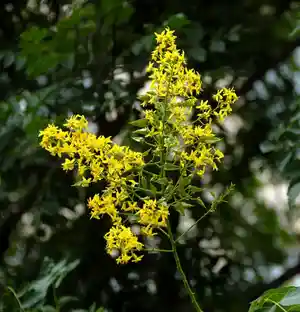
The Goldenrain tree flourishes in full sun, meaning it needs at least 6 hours of direct solar exposure daily. This light condition supports the development of robust branches, dense foliage, and bright blossoms. Position your Goldenrain tree where it will receive maximum sunlight, such as an open area in your yard or garden. Remember, greater sun exposure leads to a healthier, more vigorous tree.
Partial Shade Tolerance
While the Goldenrain tree prefers full sun, it can also withstand partial shade. However, be aware that partial shade might impede its growth rate. If you plan to cultivate your Goldenrain tree in a partially shaded location, ensure it still gets at least 4 hours of daily sunlight. Though adaptable, the tree won't be as strong as one planted in full sun.
Daily Solar Needs
Morning Sun
Morning sun is advantageous for the Goldenrain tree, offering a gentle start to the day with less harsh light and warmth. This period of sunlight aids the tree in efficient photosynthesis after the cooler night, boosting its energy and encouraging development. Aim for at least 3 hours of morning solar exposure for optimal tree health.
Afternoon Sun
Afternoon sun is vital due to its intensity, which the Goldenrain tree leverages for strong development. The hours from noon to late afternoon are crucial as the strong light helps maximize photosynthesis, leading to healthier leaves and more vibrant flowers. Ensure the tree isn't shaded by taller structures or plants during this time for best results.
Indicators of Insufficient Sunlight
Stunted Growth
A primary sign that your Goldenrain tree isn't getting enough sunlight is poor growth. If you observe that the tree isn't developing as expected or its branches and leaves appear sparse, inadequate sun exposure could be the cause. Ensuring ample sunlight is the initial step to correcting this issue.
Yellowing Foliage
Yellowing leaves also indicate insufficient sunlight. If your Goldenrain tree’s leaves lack their usual green vibrancy and are instead turning yellow, a lack of sunlight might be the reason. Relocating the tree or pruning nearby vegetation to increase light can help restore its vitality.
Adapting to Diverse Light Conditions
Relocating Goldenrain Tree
If you need to move your Goldenrain tree to a brighter spot, transplanting is an effective method. Choose a dormant period for the tree, either late autumn or early spring. Carefully excavate around the root ball and replant it into a well-prepared hole at the new location. Confirm the new site receives abundant sunlight to encourage the tree to adjust and flourish.
Indoor Cultivation Advice
Growing a Goldenrain tree indoors is less common but achievable with proper conditions. Place the tree near a south-facing window to ensure ample sunlight. Supplement with grow lights if needed, making sure the tree receives the equivalent of 6 hours of direct daily sunlight. Rotate the tree regularly for even light exposure and to prevent lopsided growth.
Seasonal Light Fluctuations
Spring and Summer
During spring and summer, the Goldenrain tree benefits from longer daylight hours and more intense solar radiation. This phase is when the tree grows most vigorously and produces its beautiful yellow blossoms. Ensure it has unobstructed access to sunlight by keeping its surrounding area clear.
Fall and Winter
In fall and winter, daylight shortens, and solar intensity diminishes. Although the Goldenrain tree has adapted to these seasonal shifts by reducing its growth rate, it's vital to maximize its sunlight exposure. Keep the tree free from snow and debris that could further block light, and consider additional protection if extreme cold is anticipated.



