How Much Sunlight Do Pride of India Need?
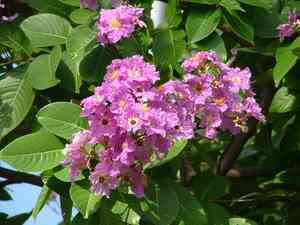
1
Pride of India flourishes optimally with a minimum of 6 hours of direct sun daily.
2
While it can withstand some partial shade, this might impact its flowering.
3
If grown indoors, select a brightly lit location, such as near a window.
How Much Sunlight Does Pride of India Need?
Full Sunlight Requirements
The Pride of India, known for its vivid blooms and resilient nature, flourishes best in direct sunlight. To achieve its full potential, this plant needs a minimum of 6 hours of unfiltered sun exposure daily. Sunlight fuels the necessary energy for photosynthesis, promoting vigorous development and abundant flowering. In shaded areas, you may observe a reduction in flower richness and the plant's overall vitality. Therefore, when planting Pride of India, select a garden spot that receives uninterrupted sunlight for most of the day.
Partial Shade Tolerance
While the Pride of India favors full sun, it can withstand some partial shade. If your garden features areas with filtered sunlight or receives sun in the morning or late afternoon, your plant can still perform quite well. However, be aware that extended periods in shaded conditions might lead to some compromises. The plant's growth rate could slow, and its blooming may be less prolific. If partial shade is your sole option, you can still enjoy its lush foliage, although the vibrant flowers might be fewer.
Best Locations for Pride of India Planting
Ideal Garden Spots
When choosing a garden site for your Pride of India, seek out areas that get full sun exposure. Perfect spots include open areas or south-facing locations not blocked by large trees or structures. The more sunlight your plant receives, the more vibrant and robust it will be. Well-draining soil is also critical for the plant to thrive, so avoid spots prone to waterlogging. Elevated beds or slightly raised garden rows can be an excellent choice to ensure proper drainage.
Indoor Planting Considerations
If you prefer to cultivate Pride of India indoors, select the brightest location in your home, such as a south-facing window. Ensure the plant gets ample daily sunlight by perhaps rotating it regularly to expose all sides to the light. Utilizing a grow light can be a beneficial addition, especially during winter months when natural sunlight might be limited. Keep in mind that indoor conditions can be challenging, so maintaining humidity and monitoring for pests can help keep your plant in prime health.
Seasonal Sunlight Variations for Pride of India
Spring and Summer
During spring and summer, Pride of India experiences its peak growth and flowering phase. This time of year offers the longest days and most intense sunlight, which is optimal for the plant. Make sure your garden receives uninterrupted sunlight, and if you notice any obstructions, such as new tree branches casting shadows, consider trimming them back to prevent shading your plant.
Fall and Winter
In fall and winter, the intensity and duration of sunlight diminish. This seasonal shift can result in slower growth and reduced flowering. To help your Pride of India navigate the colder months, ensure it's positioned in the sunniest available spot. If your area experiences significant winter shade, consider using reflective mulch around the plant to maximize the available light. Protecting young plants from frost with covers can also help ensure they emerge stronger in the spring.
Signs of Insufficient Sunlight in Pride of India
Identifying Poor Growth
One of the initial indicators that your Pride of India isn't receiving enough sunlight is subpar growth. You might observe the plant becoming elongated, with stems stretching towards the light source. This etiolation clearly signals that your plant is attempting to maximize light capture, often at the expense of its overall health and vigor. Relocating the plant to a sunnier spot can typically resolve this issue.
Recognizing Foliage Issues
Insufficient sunlight can also manifest through problems with the plant's leaves. Foliage may appear pale or yellow, and the overall density of the leaves might decrease. These symptoms suggest that photosynthesis is not occurring at optimal levels. If you notice such issues, reassess the plant's placement and ensure it receives the recommended amount of sunlight. Sometimes, simply cleaning the leaves to remove dust can enhance light absorption and plant health.
Adjusting Sunlight for Pride of India
Pruning for Better Light Penetration
Pruning is an effective method to ensure your Pride of India gets the maximum possible sunlight. Regularly remove any dead or overgrown branches to allow more light to reach through the canopy. This practice not only improves light availability but also enhances air circulation, decreasing the risk of pest infestations and diseases. Aim to prune in late winter or early spring before the plant's active growth period begins.
Using Reflective Mulch
Reflective mulch can be a valuable tool to increase the amount of sunlight your Pride of India receives. By spreading reflective mulch, such as white or silver plastic, around the base of the plant, you can redirect sunlight onto the undersides of the leaves. This additional light can help improve photosynthesis and overall plant health. Reflective mulch is especially beneficial in gardens that experience partial shade or during seasons with less intense sunlight.



