How Much Sunlight Do Silver squill Need?
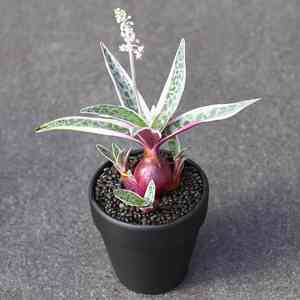
1
Silver squill flourishes with approximately 3-6 hours of indirect sunlight each day.
2
This plant demonstrates impressive adaptability, tolerating both intense sun and complete shade.
3
Excessive sun exposure for Silver squill can manifest as leaf burn and changes in foliage color.
Optimal Illumination Requirements for Silver squill
Ideal Light Intensity
The Silver squill, a striking and robust houseplant, flourishes best in moderate light. It prefers bright, diffused sunlight. Excessive direct sun can cause leaf burn, while insufficient light can hinder its development. Positioning your Silver squill near a window where it can absorb filtered light is highly beneficial.
Preferred Light Duration
For peak growth, your Silver squill should receive 3-6 hours of indirect sunlight daily. This duration achieves an ideal balance, ensuring the plant gets ample light for photosynthesis without being overwhelmed.
Best Placements for Silver squill
When selecting the optimal spot for your Silver squill, consider areas like east-facing windows, which offer gentle morning sun. South or west-facing windows can also work if direct sunlight is softened by a sheer curtain. This placement guarantees the plant gets enough light without direct exposure that could harm its leaves.
Can Silver squill Endure Dim Light?
Adapting to Low Light Environments
A notable characteristic of the Silver squill is its adaptability. It can tolerate lower light conditions, making it a versatile plant that can still enhance dimmer spaces. However, while it can survive in these settings, its growth rate might slow, and its vibrancy may diminish.
Indicators of Insufficient Light
If your Silver squill isn't receiving enough light, you might observe it becoming leggy, with greater distances between leaves, and its vivid variegation may begin to fade. Additionally, the leaves might appear droopy or less firm than usual, signaling the plant requires more light to remain healthy.
Impacts of Excessive Sun on Silver squill
Symptoms of Sun Scorching
Exposure to too much direct sunlight can be harmful to your Silver squill. Signs of sun scorching include brown patches on the leaves, curling or crispy leaf edges, and general discoloration. These are clear indications that the plant is receiving more sunlight than it can comfortably endure.
Preventing Sun Damage
To prevent sun damage, place your Silver squill in a location where it receives bright but indirect sunlight, especially during the day's peak hours. Using sheer curtains or positioning the plant a few feet from the direct window line can help diffuse intense light and protect the plant from scorching.
Seasonal Light Requirements for Silver squill
Summer Care Advice
During summer, sunlight intensity increases, so ensure your Silver squill isn't exposed to harsh, direct light for prolonged periods. If needed, move the plant to a slightly shadier spot or use a thin curtain to filter the sunlight. Maintaining consistent soil moisture is also vital during this season.
Winter Care Advice
In winter, days are shorter, and sunlight may be less intense. Position your Silver squill where it can get as much natural light as possible, such as near south-facing windows. If natural light is insufficient, consider using artificial grow lights to supplement the plantâs light exposure, ensuring it continues to thrive despite seasonal changes.



