How Much Sunlight Do Coastal doghobble Need?
1
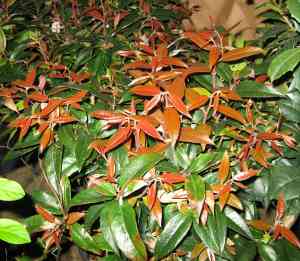
Coastal doghobble flourishes in partial shade, needing roughly 3-6 hours of indirect sun each day.
2
Intense sun exposure can burn Coastal doghobble's foliage, so ensuring filtered light is essential.
3
Under complete shade, Coastal doghobble can endure dim light, though its development may be retarded.
What Light Conditions Does Coastal doghobble Require?
Partial Shade Preference
Regarding light, Coastal doghobble thrives best in partial shade. This means it benefits from approximately 3 to 6 hours of filtered sunlight daily. Filtered light mimics its natural environment beneath forest canopies. This placement imitates the dappled illumination it would naturally encounter in the wild, significantly boosting its health and vitality.
Avoiding Direct Sun Exposure
Direct sun exposure is something Coastal doghobble should steer clear of. The sun's intense rays can cause leaf burn, appearing as brown or white spots on the foliage. To prevent this, aim for dappled lightâconsider under a large, dense tree or a shaded spot near a building. The key is to avoid any harsh, midday sun that can be overly strong for the plant.
Ideal Light Conditions
Optimal light for Coastal doghobble involves a balance of light and shadow. Less intense morning or late afternoon sun can be advantageous. If planting in your garden, positioning it on the east or north side of your home can provide the right amount of gentle sunlight. Indoors, placing the plant near a window with sheer curtains can also help provide diffused light.
How to Position Your Coastal doghobble for Optimal Sunlight
Outdoor Placement Advice
Placing your Coastal doghobble outdoors requires thoughtful consideration. Seek out garden areas that receive morning sun but are shielded from the strong afternoon sun. Underneath tall trees, along the shaded side of fences, or near taller shrubs are perfect spots. If you have other taller plants, using them to create a natural light filter can greatly benefit your Coastal doghobble.
Indoor Lighting Arrangement
Indoors, positioning your Coastal doghobble means ensuring it gets enough light without direct sun exposure. North or east-facing windows are preferred as they offer adequate but indirect sunlight. If a south or west-facing window is your only option, consider using sheer curtains to effectively diffuse the light. Alternatively, moving the plant a few feet from the window can lessen the sunlight's intensity.
Common Sunlight Problems for Coastal doghobble and Solutions
Signs of Excessive Sunlight
Too much sunlight is harmful to Coastal doghobble, often appearing as scorched leaves with brown or white patches. Another indicator is leaf curling, showing the plant is trying to reduce its exposed surface area. If you observe these symptoms, it's vital to move the plant to a more shaded location immediately.
Signs of Insufficient Sunlight
A lack of adequate sunlight can cause Coastal doghobble to grow slower and produce fewer blooms. You'll also notice the leaves becoming a darker green and less numerous. In severe cases, leaf drop might occur, and the plant's overall appearance may become leggy. This clearly indicates the plant needs more light than it's currently receiving.
Steps to Resolve Sunlight Issues
Correcting sunlight problems first involves determining if your Coastal doghobble is getting too much or too little light. If it's excessive, provide more shade by either moving the plant or creating shade with cloths or other structures. For those suffering from insufficient sunlight, consider moving the plant to a slightly brighter spot, such as near an east-facing window, or outdoors where it can receive gentle morning sun.
Seasonal Sunlight Considerations for Coastal doghobble
Summer Care
In summer, Coastal doghobble will generally experience more intense sunlight, which can be damaging. Ensure it's placed where it gets ample morning sun but significant afternoon shade. Mulching around the base can help retain moisture and keep the root system cool, offering some protection from summer heat.
Winter Care
Winter care for Coastal doghobble is less demanding, as the plant can tolerate shorter daylight hours and less intense sunlight. If your plant is outdoors, ensure it is not exposed to cold winds directly. Indoors, maintaining a consistent light source is crucial, so consider placing it where it still receives indirect sunlight or supplement with a grow light if natural light is insufficient.



