How Much Sunlight Do Perennial ryegrass Need?
1
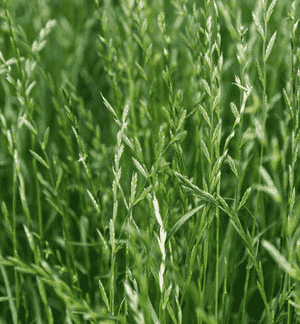
Perennial ryegrass flourishes optimally with over six hours of direct sun each day.
2
It can endure some shade, though this might impact its robustness.
3
Selecting the right spot is vital for guaranteeing sufficient light exposure.
Optimal Sunlight Requirements for Perennial ryegrass
Full Sun vs. Partial Shade
For optimal growth and health of Perennial ryegrass, understanding its light preferences is key. It thrives in full sun, meaning it ideally needs at least 6 hours of direct sunlight daily. While it can endure some shade, excessive shade leads to weaker growth and a less dense lawn. In areas with mixed light, aim for spots with ample sun for at least half the day.
Ideal Daily Sun Hours
Perennial ryegrass needs over 6 hours of daily sunlight to flourish. This light not only drives photosynthesis but also helps keep the grass dry, lowering the risk of fungal diseases. During the growing season, maximize sun exposure. On cloudy or short winter days, ensure the grass gets as much light as weather permits.
Impact of Seasonal Changes
Seasonal shifts significantly affect the sunlight Perennial ryegrass receives. Spring and summer offer longer days and more direct sun, providing ample light. However, fall and winter bring shorter days and angled sunlight, limiting exposure. If your grass struggles then, consider pruning nearby trees or removing obstacles to boost light penetration.
Benefits of Adequate Sun Exposure for Perennial ryegrass
Enhanced Growth and Vigor
Sufficient sunlight is crucial for Perennial ryegrass's growth and vitality. Sunlight stimulates optimal photosynthesis, leading to a deep green color and dense, resilient turf. This is especially evident during peak growing seasons when the grass actively absorbs light to fuel its development.
Improved Disease Resistance
Well-lit areas where Perennial ryegrass gets enough sun are less prone to harmful fungi and diseases. Sunlight helps keep blades dry, reducing fungal issues and other moisture-related ailments. Proper sun exposure naturally mitigates these risks, ensuring a healthier lawn.
Contribution to Photosynthesis
Photosynthesis, where plants convert light into energy, is vital for Perennial ryegrass. Adequate sunlight enables the grass to produce the necessary food and energy to thrive. More efficient photosynthesis results in stronger, healthier grass, creating a lawn that looks good and is more resilient to environmental stressors.
Signs of Inadequate Sunlight for Perennial ryegrass
Yellowing or Browning of Leaves
One primary indicator of insufficient sunlight for Perennial ryegrass is the yellowing or browning of its leaves. This discoloration suggests the grass is struggling with photosynthesis. If these symptoms appear, check for obstructions and consider relocating or thinning nearby plants or trees.
Stunted Growth
Insufficient sunlight can cause stunted growth in Perennial ryegrass. The lack of vital energy from the sun prevents the grass from growing robustly or spreading effectively. If your lawn remains sparse or fails to fill in despite proper care, inadequate sunlight might be the cause.
Increased Susceptibility to Pests
Grass lacking adequate sunlight often weakens, becoming more vulnerable to pest infestations. Healthy, sun-exposed grass can better resist pests like grubs and insects. If your lawn experiences ongoing pest problems, assess its sunlight levels as part of your diagnostic process.
How to Ensure Proper Sunlight for Perennial ryegrass
Choosing the Right Location
Selecting the appropriate site for your Perennial ryegrass is essential. Choose an area that receives uninterrupted sunlight for most of the day. Avoid planting near large trees or structures that cast extensive shadows. The aim is to provide consistent light to support its growth and health.
Utilizing Reflective Surfaces
Reflective surfaces, such as light-colored walls or reflective mulch, can boost sunlight exposure. These surfaces bounce light onto the lawn, ensuring even shaded areas receive indirect sunlight. This is particularly beneficial in partially shaded sections of your yard.
Maintaining Plant Spacing
Proper plant spacing ensures sunlight reaches all parts of your Perennial ryegrass lawn. Prevent overcrowding, which can create shade and lead to uneven light distribution. Regularly trim back overhanging plants and keep the grass thinned to allow sunlight to penetrate.
What to Do if Your Perennial ryegrass Receives Too Much Sunlight?
Recognizing Sun Scorch Symptoms
Sun scorch is common when Perennial ryegrass gets excessive direct sunlight, causing blades to dry and brown. Scorch symptoms typically appear during peak summer when sun rays are most intense. Look for signs like dry, brittle grass blades that lose their green hue.
Providing Temporary Shade
If your Perennial ryegrass shows signs of sun scorch, consider offering temporary shade using shade cloths or umbrellas during the day's hottest hours. This can alleviate stress on the grass and prevent further damage.
Adjusting Watering Routine
To counter the effects of too much sunlight, modify your watering schedule. Water Perennial ryegrass deeply in the early morning to ensure moisture reaches the roots before the intense midday sun. This helps the grass endure heat and reduces the risk of sunburn and drying out.



