How Much Sunlight Do Bigleaf magnolia Need?
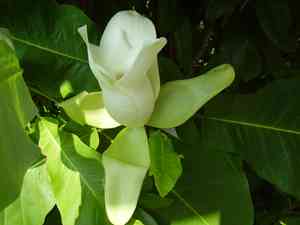
1
Bigleaf magnolias generally thrive with a minimum of six hours of direct sun daily.
2
Young Bigleaf magnolias can endure some shade, particularly in warmer regions.
3
Using reflective surfaces can boost light exposure for Bigleaf magnolias situated in dim spots.
Optimal Illumination Conditions for Bigleaf Magnolia
Full Sun vs. Partial Shade
The Bigleaf magnolia flourishes best in full sun, requiring a minimum of six hours of direct, unobstructed sunlight daily. This light level enables efficient photosynthesis, promoting vigorous growth and abundant flowering. However, it can endure partial shade, particularly in regions with intense solar radiation. In partial shade, the tree might exhibit slower development, and its leaves may be less substantial or vibrant. Evaluate your local climate and typical weather patterns to determine the ideal balance between full sun and partial shade.
Seasonal Light Fluctuations
Seasonal variations significantly impact the light conditions for your Bigleaf magnolia. During spring and summer, the tree benefits from extended daylight hours, supporting its growth and blooming cycles. Conversely, autumn and winter bring shorter days and reduced light intensity, which slows the tree's development. Adjust your care regimen throughout the year, perhaps relocating younger or containerized trees to brighter spots during colder months to ensure sufficient light.
Bigleaf Magnolia Light Requirements by Developmental Stage
Seedling Phase
During their seedling phase, Bigleaf magnolias are more delicate and require gradual acclimatization to direct sunlight. Initially, position these young plants in an area with filtered light or partial shade to prevent sun scorch. Over time, as their root systems and foliage strengthen, progressively increase their exposure to full sun. This phased approach ensures seedlings are not overwhelmed by intense light and can steadily build resilience.
Mature Tree Phase
For established Bigleaf magnolias, full sun exposure is optimal. At this stage, the trees possess a robust structure and can effectively utilize, and indeed thrive on, continuous sunlight. This light exposure supports the tree's overall vitality, aiding in foliage development, flower production, and the maintenance of its large, characteristic leaves. When properly situated, mature Bigleaf magnolias need minimal intervention as they efficiently harness sunlight to fuel their growth cycles.
Indicators of Insufficient Sunlight for Bigleaf Magnolia
Recognizing Light-Related Stress
Identifying signs of inadequate sunlight is vital for your Bigleaf magnolia's health. Common symptoms include yellowing leaves, sparse foliage, and reduced growth rates. Additionally, the tree might produce fewer blossoms, and its distinctive large leaves could become smaller and less vibrant. Regularly inspect your tree for these stress indicators, and if observed, consider moving it to a brighter location.
Common Errors and Solutions
A frequent mistake in Bigleaf magnolia care is situating the tree in an excessively shaded area, which can hinder its growth and compromise its health. Rectify this by relocating the tree to ensure it receives more direct sunlight. Another error is neglecting seasonal light changes; continuously monitor and adjust the tree's placement or exposure angle with the changing seasons to maintain consistent light levels. Employing reflective surfaces can also boost light exposure if relocation is not feasible.
Maximizing Sunlight Exposure for Bigleaf Magnolia
Selecting the Prime Location
Choose a planting site that guarantees ample sunlight for most of the day. Ideal spots include south-facing areas that receive direct sunlight for the majority of daylight hours. Avoid locations heavily shaded by structures or taller trees. By placing your Bigleaf magnolia in an optimal position from the outset, you establish the foundation for vigorous growth and striking foliage.
Pruning and Positioning for Optimal Light
Strategic pruning can improve light penetration, especially for mature trees with dense canopies. Remove any dead or overcrowded branches that might be shading crucial parts of the tree. Furthermore, consider rotating potted Bigleaf magnolias periodically to ensure uniform light distribution on all sides. For ground-planted trees, routine pruning maintains an open canopy, allowing sunlight to reach deeper sections of the tree.
Utilizing Reflective Materials
If your Bigleaf magnolia is situated in a somewhat shaded area, using reflective materials such as white walls or sun-reflective ground covers can intensify the sunlight the tree receives. Position these reflective surfaces strategically to direct light towards the tree, thereby compensating for some of the direct sunlight that might be lacking. This technique can be particularly effective in shaded garden corners or urban environments where sunlight can be obstructed.
Frequently Asked Questions
Can Bigleaf Magnolia Be Grown Indoors?
While it's possible to cultivate Bigleaf magnolia indoors, it's generally not advised due to its substantial size and high light requirements. If you attempt indoor cultivation, ensure it's placed in a sunroom or near a south-facing window where it can receive abundant sunlight. Indoor growth might be viable for seedlings or very young plants before they are moved to outdoor settings.
What to Do in Low Light Regions?
In areas with consistently low sunlight, it's crucial to maximize the available light for your Bigleaf magnolia. This can involve selecting the brightest available spot, employing reflective materials to enhance light exposure, and potentially using grow lights to supplement natural light. During winter months, consider setting up a temporary greenhouse or moving potted trees indoors to a bright, sunny location.



