How Much Sunlight Do European crab apple Need?
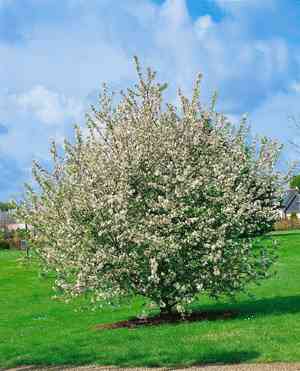
1
European crab apple trees flourish optimally with a minimum of 6 hours of direct sun exposure each day.
2
Insufficient sunlight can lead to reduced fruit yield and stunted development in European crab apple trees.
3
Positioning reflective materials near your European crab apple tree can enhance the amount of sunlight it receives.
Optimal Light Conditions for European crab apple
Full Sun Requirements
For peak development and fruit yield, European crab apple trees require placement in a location receiving full sun, meaning they need at least 6 hours of direct sunlight daily. This exposure enables efficient photosynthesis, leading to robust foliage and abundant blooms.
Daily Sun Exposure Duration
Consistent sun exposure is vital for European crab apple trees. These trees thrive with 6 to 8 hours of sunlight each day. Positioning your tree where it has an unobstructed view of the southern sky can maximize its light intake, promoting balanced growth and fruiting.
Seasonal Light Fluctuations
Sunlight availability varies with the seasons. During spring and summer, extended daylight hours support the vigorous growth and fruit development of European crab apple trees. In autumn and winter, despite lower sun angles and shorter days, any available sunlight remains crucial for maintaining tree health and preparing it for the subsequent growing season.
Ensuring Adequate Sunlight for European crab apple
Selecting the Appropriate Site
When planting a European crab apple tree, choosing the correct site is paramount. Opt for an open area that receives uninterrupted sunlight throughout the day. Avoid locations shaded by structures or larger trees.
Avoiding Shaded Areas
European crab apple trees do not flourish in shaded environments. Shade diminishes the sunlight necessary for their growth and fruiting potential. Ensure that nearby structures or trees do not cast prolonged shadows on your European crab apple throughout the day.
Utilizing Reflective Surfaces
You can enhance sunlight exposure by placing reflective materials around the tree. Positioning items like white stones or mirrors can help direct more light onto the leaves, thereby increasing the total sunlight the tree receives daily.
Common Sunlight-Related Issues for European crab apple
Indicators of Insufficient Sunlight
A European crab apple tree lacking adequate sunlight will display stunted growth, sparse foliage, and fewer flowers. Its leaves might also become lighter green or yellow, indicating inadequate photosynthesis.
Sunlight-Related Pests and Diseases
Insufficient sunlight can stress a European crab apple tree, making it more vulnerable to pests and diseases. Common problems include fungal infections such as powdery mildew or pest infestations from aphids, which thrive in shady, damp conditions.
Remedial Actions for Low Sunlight
If your European crab apple isn't getting enough sun, consider pruning surrounding trees or moving the European crab apple to a sunnier location. Regularly check for obstructions and ensure the area around the tree is clear to allow maximum light penetration.
Frequently Asked Questions Regarding European crab apple Sunlight Needs
Can European crab apple Grow in Partial Shade?
While European crab apple trees can endure partial shade, their performance will not match that in full sun. Reduced sunlight can result in fewer flowers and less fruit production. Aim to plant them in areas where they will receive the most direct sunlight daily.
How to Identify Excessive Sun Exposure in European crab apple?
Though uncommon, too much sun can stress a European crab apple tree, especially during extreme heat. Signs include scorched or sunburnt leaves. Mulching and consistent watering can help alleviate the effects of excessive sun, maintaining the tree's health.
What is the Best Time of Day for European crab apple Sunlight?
Morning sun is particularly beneficial for European crab apple trees as it helps dry dew from the leaves quickly, reducing the risk of fungal diseases. Ensure your European crab apple tree receives sunlight from early morning until at least mid-afternoon for optimal results.



