How Much Sunlight Do Scarlet beebalm Need?
1
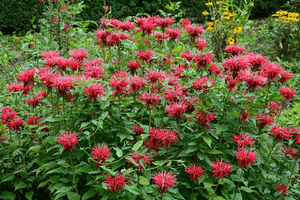
Scarlet beebalm flourishes with abundant sunlight, requiring a minimum of 6 hours of direct sun each day.
2
The plant withstands some partial shade, though flowering might be reduced.
3
Sufficient light exposure promotes robust development and vivid flowers.
Optimal Light Conditions for Scarlet Beebalm
Full Sun Necessities
For prime development, Scarlet beebalm demands complete sun exposure, meaning a minimum of six hours of direct solar illumination daily. This light level assists the plant in producing its striking, vivid blossoms and promotes robust health and disease resistance. Providing more than six hours of sunlight is even better, as it will only amplify its flowering potential.
Partial Shade Tolerance
While Scarlet beebalm prefers full sun, it is quite adaptable and can endure partial shade conditions. However, it's crucial to understand that in partial shade, the plant might not flower as vigorously and may grow less densely. Partial shade can be particularly advantageous in hot climates where intense afternoon sun might damage the plant.
Light Intensity and Duration
Scarlet beebalm flourishes with moderate to high light intensity. Ensuring the plant receives sufficient light throughout the day is vital. Keep in mind that morning sunlight is typically gentler and more beneficial than the harsh afternoon sun. Strive for consistent light exposure to maintain your Scarlet beebalm's well-being.
Impact of Insufficient Light on Scarlet Beebalm
Indicators of Light Deficiency
When Scarlet beebalm does not receive enough sunlight, several indicators will signal this. Watch for elongated, sparse growth as the plant extends towards the light. The foliage might become pale, and the plant's overall vitality could diminish. Fewer and smaller flowers are also a common sign.
Effect on Growth and Flowering
Insufficient sunlight severely affects both the development and blooming of Scarlet beebalm. Without adequate light, the plant prioritizes survival over flowering, resulting in fewer and weaker blossoms. Additionally, the plant may become more vulnerable to pests and diseases.
Resolving Light Deficiencies
If your Scarlet beebalm isn't getting enough sunlight, consider moving it to a brighter spot in your garden. If relocation isn't feasible, try pruning back nearby vegetation that might be creating too much shade. For container plants, simply repositioning the pot to a sunnier area can make a considerable difference.
Ideal Planting Locations for Maximum Sun Exposure
Selecting the Right Garden Site
The best garden location for Scarlet beebalm is one that gets ample sunlight, especially in the morning when the sun is less intense. An eastern or southern orientation is perfect. Ensure the soil drains well, as this plant dislikes sitting in waterlogged conditions.
Container Growing Advice
If you're cultivating Scarlet beebalm in containers, you have the flexibility to relocate the plant to ensure it receives the necessary light. Choose spacious pots with good drainage and place them where they get at least six hours of direct sunlight. On extremely hot days, you might need to move the containers to a partially shaded spot to protect them from excessive heat.
Companion Planting Strategies
Consider companion planting to optimize sun exposure for your Scarlet beebalm. Plant it alongside taller species that can offer some afternoon shade without completely blocking the sun. Good companions include ornamental grasses and echinacea, which can help balance the light exposure.
Seasonal Light Changes and Scarlet Beebalm Care
Spring and Summer Light Requirements
During spring and summer, Scarlet beebalm will thrive with extended sunlight. This is the peak growth season when the plant is preparing to bloom, so ensure it gets full sun for optimal results. Regularly check that it's not overshadowed by nearby plants that have grown larger.
Fall and Winter Adjustments
In fall and winter, daylight hours decrease, which can impact your Scarlet beebalm. If your plant is in a container, move it to the sunniest spot available. For in-ground plants, trim back any surrounding foliage that might obstruct light. Additionally, fall is a good time to begin mulching to protect the roots during colder months.
Utilizing Grow Lights During Low-Light Periods
If natural light is insufficient, particularly in winter, consider employing grow lights to supplement the sunlight. Position the grow light near the plant but not so close as to cause leaf burn. Aim for a balanced light schedule to mimic natural solar patterns.
Common Questions About Scarlet Beebalm Sunlight
Can Scarlet Beebalm Grow in Complete Shade?
No, Scarlet beebalm cannot flourish in full shade. It requires at least partial sun to develop healthily. In complete shade, the plant will struggle, producing fewer flowers and exhibiting poor overall vigor.
How Much Direct Sunlight is Excessive?
Scarlet beebalm generally tolerates direct sunlight well, but in extremely hot climates, too much intense sun can cause leaf scorching. In such instances, providing some afternoon shade or using a light-colored mulch to reflect some heat can be beneficial.
What Occurs if Scarlet Beebalm Gets Too Little Sun?
If Scarlet beebalm receives too little sunlight, its flower production will significantly diminish, and the plant may become spindly. Ensuring adequate sunlight by relocating or pruning surrounding plants can help correct this issue.



