How Much Sunlight Do Mulberry Need?
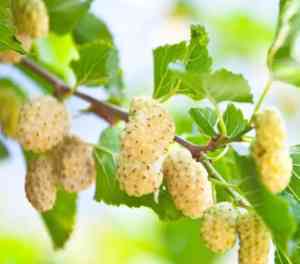
1
Mulberry trees flourish most vigorously with ample sun, requiring a minimum of six hours of direct solar exposure each day.
2
While partial light conditions are acceptable, peak growth and fruit development necessitate complete sun exposure.
3
Adequate sunlight is essential for efficient photosynthesis, the plant's general well-being, and a generous harvest of Mulberries.
Deciphering Mulberry Sunlight Needs
Ideal Sunlight Exposure for Mulberry
Mulberry trees are heliophilous, flourishing in full sun, which necessitates over six hours of direct solar exposure daily. This light intake fuels the plant's photosynthetic processes, thereby sustaining its growth and fruit yield. While partial sun, receiving three to six hours of sunlight, is tolerable, it's not optimal for the tree's overall vitality and output. Planting your Mulberry in an unshaded spot ensures it has the best chance for vigorous and healthy development.
Sunlight Duration and Strength
The length and power of sunlight significantly affect Mulberry tree health. Full sunlight encompasses both the time period and the caliber and intensity of light the tree receives. High-intensity light provides more energy for photosynthesis and healthier foliage. For prime results, situate your Mulberry tree on the south or southwest side of your yard to receive uninterrupted, strong sunlight throughout the day. Sufficient light directly correlates with heightened photosynthetic activity, promoting robust growth and fruiting.
Why Appropriate Sunlight is Crucial for Mulberry Development
Photosynthesis and Mulberry Wellness
Photosynthesis is how plants transform light energy into chemical energy. For Mulberry trees, ample sunlight is essential to drive this process efficiently. Full sun exposure aids in chlorophyll production, which gives leaves their green color and is directly involved in photosynthesis. This process not only energizes plant growth but also boosts its defense against pests and diseases. Insufficient sunlight slows photosynthesis, potentially leading to stunted growth and increased susceptibility to ailments.
Effect on Fruit Yield
Sunlight greatly impacts the fruit production of Mulberry trees. A steady supply of direct sunlight leads to healthier blossoms and a more abundant fruit set. The sun's energy is stored as sugars, which are then used during fruit maturation, making the fruits sweeter and richer in flavor. Conversely, inadequate sunlight can result in fewer flowers, poor fruit set, and inferior quality in the developing fruits. Ensuring your Mulberry tree gets over six hours of sunlight daily is crucial for a plentiful and delicious harvest.
Indicators of Insufficient Sunlight for Mulberry
Recognizing Leaf Discoloration
One primary sign that your Mulberry tree isn't getting enough sunlight is a change in leaf color. Leaves may become pale green or yellow, signifying chlorosis, a condition caused by inadequate chlorophyll production. Chlorosis hinders the plant's ability to photosynthesize effectively. Regular inspection of your Mulberry tree's leaves for color changes can help you detect potential sunlight deficiencies early, allowing for prompt corrective action.
Signs of Restricted Growth
Stunted growth is another clear indication of insufficient sunlight. Mulberry trees lacking enough sunlight often display slower growth rates, fewer and weaker branches, and generally poor overall development. If your Mulberry tree appears smaller than anticipated or isn't producing much new growth annually, it might signal a need for more light. Monitoring and comparing your tree's growth across different seasons helps in determining if it's receiving adequate sunlight.
Methods for Ensuring Sufficient Sunlight for Mulberry
Placement for Maximum Sunlight
Strategic positioning is vital to ensure your Mulberry tree receives its required maximum sunlight. Plant it in an open, sunny section of your garden, away from tall structures or other large trees that could cast shadows. Ideally, the spot should have a southern or southwestern orientation, maximizing both the duration and intensity of sunlight. Additionally, in regions with intense summer heat, providing some afternoon shade can safeguard the tree from potential heat stress.
Pruning Techniques for Sunlight Penetration
Pruning is an essential method to ensure your Mulberry tree gets adequate sunlight. Regularly trim overcrowded branches to allow sunlight to reach the canopy more effectively. This not only improves sunlight distribution but also enhances air circulation, lessening the risk of fungal diseases. When pruning, remove any dead or weak branches and strategically thin out overly dense areas. Pruning during late winter or early spring, before new growth starts, ensures your tree enters the growing season with a structure optimized for maximum sunlight exposure.



