How Much Sunlight Do Boston fern Need?
1
Boston ferns flourish in filtered light, needing roughly 3 to 6 hours of sun daily.
2
This fern species is adaptable to various light exposures, from direct sunlight to complete shade.
3
Insufficient illumination may result in the Boston fern developing faded fronds and decelerated development.
Deciphering Boston Fern Illumination Requirements
Native Environment and Sun Conditions
The Boston fern, indigenous to tropical and subtropical areas, typically grows in shaded, dense woodlands where it receives diffused daylight. This setting offers optimal lighting, allowing the fern to thrive without direct solar exposure reaching its delicate foliage.
Preferred Light Intensity
For prime development, the Boston fern favors indirect light or filtered sun. Ideally, it should acquire approximately 3-6 hours of daily sunlight, which can be augmented with artificial illumination if required. Direct sun, especially during peak periods, can be overly strong and may scorch the leaves.
Indicators of Sufficient Illumination
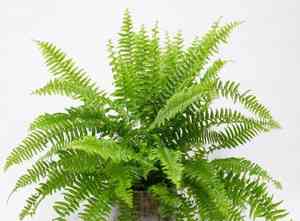
When a Boston fern receives the correct amount of light, its fronds are vibrant and verdant, displaying a healthy lushness. New growth will be consistent, and the foliage will possess a slightly shiny appearance.
Symptoms of Light Scarcity
Inadequate light can cause the Boston fern to develop pale, yellowing fronds and may result in stunted development. Other indicators include increased leaf shedding and a straggly look to new shoots. Relocating the plant to a brighter spot can help alleviate these issues.
Optimal Indoor Sunlight for Boston Fern
Ideal Home Placement Locations
To position a Boston fern indoors, consider spots that receive natural light but are sheltered from direct sun. East-facing windows are perfect as they offer morning sunlight, which is less intense. West and south-facing windows can also work if the fern is situated a few feet from the window or veiled with a sheer curtain.
Supplementing with Artificial Lighting
In situations where adequate natural light is unavailable, artificial illumination can be an excellent substitute. Fluorescent lights are particularly effective for providing the type of dappled, even light that Boston ferns thrive on. Position the plant approximately 30 cm (12 inches) below the light source and keep it active for about 12-16 hours daily.
Outdoor Sunlight Needs for Boston Fern
Best Outdoor Planting Locations
When cultivating a Boston fern outdoors, seek out areas that offer partial shade. A spot beneath a tree canopy or on a north-facing porch can provide the right balance of light and shade. This environment mimics their natural habitat, delivering the filtered sunlight they require to flourish.
Seasonal Sunlight Fluctuations
Boston ferns are sensitive to shifts in light conditions across varying seasons. In the summer, ensure the plant is shielded from harsh midday sun by providing extra shade or moving it to a more protected location. During the winter, reduce watering and make certain the fern is not exposed to frost.
Common Challenges and Solutions for Boston Fern Sunlight Requirements
Addressing Excessive Sunlight Exposure
Overexposure to too much direct sunlight can cause the Boston fern's leaves to become brown and brittle. To mitigate this, move the plant to a location with less direct light or employ curtains to filter the sunlight. Providing ample water to counteract the effects of sun exposure can also be beneficial.
Resolving Light Deficiencies
If the Boston fern exhibits signs of light scarcity, such as pale leaves and leggy growth, gradually relocate it to a brighter spot. If natural light is insufficient, supplement with grow lights to ensure the plant receives adequate illumination throughout the day.
FAQs on Boston Fern Sunlight
A frequent inquiry is, 'Can a Boston fern endure in low light?' While Boston ferns can tolerate low light, they require more illumination to maintain vigorous growth. Another common question is, 'How do I know if my Boston fern needs more light?' Observe for yellowing fronds or slowed development, which indicate a need for increased light exposure.



