How Much Sunlight Do Boston ivy Need?
1
Boston ivy tolerates some shade but flourishes most vigorously with ample sun.
2
Provide Boston ivy with a minimum of 6 hours of direct solar exposure each day to promote peak development.
3
Aclimatize your Boston ivy progressively to brighter conditions to prevent damage to its foliage.
Optimal Light Requirements for Boston Ivy
Direct Sun vs. Filtered Light
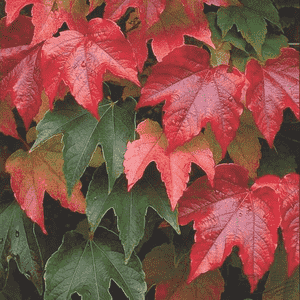
Regarding illumination, Boston ivy demonstrates considerable adaptability. It flourishes in full sun, necessitating exposure to a minimum of 6 hours of direct sunlight daily. Ample sunlight promotes the development of its magnificent, dense foliage and vibrant autumn hues. However, Boston ivy also tolerates partial shade, particularly in warmer climates where excessive direct sun could be detrimental. Partial shade typically involves morning light with afternoon protection.
Prime Garden Placement
Positioning your Boston ivy in a well-lit spot is paramount. For outdoor planting, select an area where the plant can receive consistent illumination throughout the day, such as the southern or western exposure of your garden. If direct light is limited, opt for a location where your ivy will get some morning sun and be shielded from the harsh afternoon rays, which can be overly intense.
Seasonal Illumination Needs
It's vital to recognize that Boston ivy's light requirements fluctuate with the seasons. During its active growth period (spring and summer), the plant thrives with full sun exposure, which encourages vigorous development. Conversely, in the autumn and winter months, the plant can manage with less direct sunlight due to decreased growth. Nevertheless, ensure it still receives sufficient light to prevent problems like etiolated stems or sparse leaves.
How Much Light Does Boston Ivy Need?
Daily Light Duration
For Boston ivy to prosper, it ideally requires more than 6 hours of direct sunlight each day. While it can survive in partial shade, optimal growth, vigor, and aesthetic appeal are achieved with generous light. In regions with intense solar radiation, providing morning light instead of harsh afternoon rays can be advantageous.
Consequences of Excessive and Insufficient Light
Extended exposure to intense sunlight can result in leaf burn or scorching in Boston ivy. Leaves may become parched, brown, and brittle at their margins. Conversely, insufficient light leads to weak, sparse development and less vivid foliage. Achieving the correct balance based on your local climate and light intensity is crucial for your ivy's well-being.
Acclimating Boston Ivy to Varying Light Regimes
Gradual Introduction to Brighter Light
If your Boston ivy has been situated in a shaded area and you intend to move it to a sunnier location, do so progressively. Abrupt exposure to intense light can stress the plant and cause leaf scorch. Begin by placing it in a slightly brighter spot and incrementally increase its exposure over one to two weeks. This approach allows the plant to adapt without stress.
Utilizing Supplemental Lighting When Needed
In areas with diminished natural daylight or during darker periods, supplementing with artificial illumination can be beneficial. Employ full-spectrum grow lights that emulate natural sunlight to guarantee your Boston ivy receives adequate light to thrive. Position the grow lights approximately 30-45 cm (12-18 inches) above the plant, and use a timer to replicate natural day-night cycles, keeping the lights on for about 12-14 hours daily.
Common Light-Related Problems for Boston Ivy
Indications of Sunburn or Leaf Scorch
An overexposed Boston ivy will display symptoms such as browning leaf margins, dry and brittle foliage, and burnt patches. These signs suggest that the light intensity is too high, especially during peak summer. Providing shade during the hottest parts of the day or relocating it to a less intense light area can help alleviate these issues.
Signs of Inadequate Illumination
Insufficient light leads to certain distinct indicators such as elongated, feeble stems, and dull, less vibrant leaves. The plant may also exhibit sparse growth and reduced overall vitality. If you notice these symptoms, consider moving your Boston ivy to a brighter location or supplementing it with artificial light.
Remedial Approaches
To resolve light-related issues, ensure your Boston ivy receives the appropriate balance of illumination. For plants exhibiting sunburn, provide partial shade during peak hours and slightly increase watering. For insufficient light, transfer the plant to a sunnier spot or employ grow lights. Regularly inspect the plant and adjust its environment to maintain optimum health.



