How Much Sunlight Do Garden phlox Need?
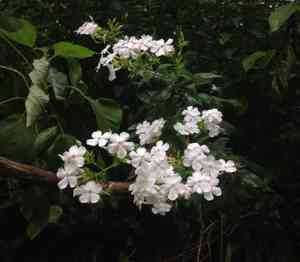
1
For optimal growth, garden phlox needs at least six hours of direct sun daily.
2
While partial sun is acceptable, particularly in warmer regions, it might lead to a reduced flower display.
3
Lack of adequate sunlight is often indicated by stretched stems and a scarcity of blossoms.
Ideal Light Conditions for Garden Phlox
Requirements for Ample Sunlight
Garden phlox, a heliophilic plant, thrives best with over six hours of direct sun exposure daily. This stunning blossom will flourish under full sun, encouraging vigorous development and an abundance of brilliant flowers. Optimal locations are those receiving uninterrupted sunlight throughout the day, ideally in the south or west-facing areas of your garden. Ensuring complete sunlight exposure not only boosts blooming but also aids in developing a robust plant structure.
Tolerance for Partial Sunlight
While Garden phlox performs best in full sun, it can still manage in conditions with less light. In situations where full sun isn't available, approximately 4-6 hours of direct sunlight can be sufficient. Although Garden phlox can adapt to these circumstances, be aware that it might yield fewer blooms and appear less robust. Partial sun exposure is especially advantageous in regions with extremely hot summers, minimizing the risk of leaf scorch.
Consequences of Insufficient Light
When Garden phlox doesn't receive enough sunlight, it displays several negative effects. You might observe the plant becoming leggy with elongated stems, and the volume of flowers will significantly decrease. Inadequate sunlight can also lead to weakened plant structures, making them more vulnerable to diseases and pests. Supplying your Garden phlox with the correct amount of sunlight is essential for maintaining its vitality and aesthetic appeal.
Placing Garden Phlox for Optimal Sun Reception
Prime Spots in Your Landscape
Selecting the perfect location in your garden for planting Garden phlox is crucial for its prosperity. Aim for zones with abundant sunlight, such as open areas clear of shading trees or structures. South or west-facing positions are ideal, as they typically get consistent sunlight throughout the day. Ensure the planting site has well-draining soil to prevent waterlogging, which can be harmful to Garden phlox.
Seasonal Adjustments for Positioning
Adjusting your Garden phlox's placement based on seasonal shifts can also be beneficial. During spring and fall, when the sun's intensity is lower, fully exposed areas remain perfect. However, in the height of summer, particularly if you live in a region with very high temperatures, consider providing some afternoon shade to shield the plant from extreme heat. Employing temporary shading solutions, like shade cloths, can help manage these seasonal changes effectively.
Signals Garden Phlox Needs More or Less Sun
Indications of Sun Damage
Garden phlox exposed to too much sunlight may exhibit signs of burning. Look for wilting foliage, scorched leaf edges, or a general decline in plant vigor. If these symptoms appear, consider moving your plant to a slightly shadier spot or providing some afternoon shade. Regular monitoring of your plant will help detect and address sun damage early.
Symptoms of Light Deprivation
Identifying light deficiency in Garden phlox is equally important. Signs of insufficient sunlight include elongated, sparse growth and a noticeable reduction in flower production. The leaves may also become pale, and the plant can appear generally unhealthy. If you observe these symptoms, try to increase the amount of sunlight the plant receives either by trimming surrounding foliage or relocating it to a sunnier spot.
Strategies for Managing Sunlight Exposure
Utilizing Shade Cloths and Screens
To safeguard your Garden phlox from intense sun exposure, especially during peak summer months, shade cloths and screens can be invaluable. These tools help filter out excessive sunlight, reducing the risk of sunburn while still allowing necessary light to pass through. Position the nets or screens strategically to offer protection during the hottest parts of the day.
Pruning and Supporting Stems
Regular pruning can also assist in managing sunlight exposure for Garden phlox. By removing overcrowded stems and spent blooms, you can improve air circulation and ensure light reaches all parts of the plant. Additionally, staking taller varieties of Garden phlox prevents them from falling over, ensuring they remain upright and receive even light distribution.



