How Much Sunlight Do American mistletoe Need?
1
American mistletoe flourishes optimally in bright, direct light, needing over six hours of sun exposure each day.
2
Some shade is tolerable for American mistletoe, though its growth might be less vigorous.
3
Observing light conditions year-round is crucial for adjusting to varying sunlight patterns.
Grasping American Mistletoe's Light Requirements
Sunlight's Importance for American Mistletoe
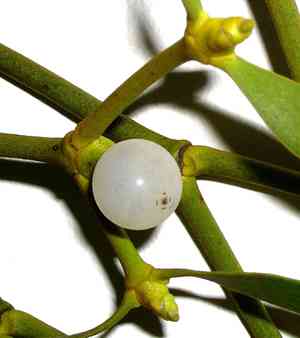
Sunlight is vital for American mistletoe's development and well-being. This plant, recognized by its distinct green foliage and white fruits, depends on solar energy for photosynthesisâthe process converting light into usable energy. Without sufficient light, the plant may struggle, leading to weak development and a scarcity of berries, crucial for its reproduction and ecological function.
Photosynthesis and Development
Photosynthesis is the core process for American mistletoe. During this activity, the plant absorbs sunlight through its leaves, transforming it into sugars that fuel its growth. Effective photosynthesis directly impacts the vibrancy of the plant's leaves and its berry production. Adequate sunlight ensures robust growth and helps maintain a balanced ecosystem, as the berries serve as food for various bird species.
Optimal Light Conditions for American Mistletoe
Full Sun Versus Partial Shade
American mistletoe thrives best in full sun, meaning it should receive over 6 hours of direct sunlight daily. While it can endure partial shade, its growth rate and overall vitality might be compromised. In shaded conditions, close monitoring is essential to ensure the plant remains vigorous and healthy.
Impacts of Direct and Indirect Light
Direct sunlight provides the intense illumination necessary for peak photosynthesis, fostering strong growth and berry yield. Indirect sunlight, though beneficial, lacks the same intensity and can result in slower development. When cultivating American mistletoe, aim for locations where it can receive direct light, especially during peak daylight hours.
Seasonal Light Variations for American Mistletoe
Winter Light Demands
During winter, American mistletoe still requires sunlight, though its intensity and duration are naturally reduced. It's crucial to ensure the plant receives as much sunlight as possible during these shorter days. If it's growing on a deciduous tree, the absence of leaves can allow more light to reach the plant, aiding its winter development.
Summer Light Adaptations
In summer, abundant sunlight can lead to extreme heat exposure. American mistletoe has evolved to cope with bright summer sun, but it's still important to watch for signs of scorching or stress. Ensuring consistent watering can help mitigate any negative effects of prolonged sun exposure.
Advice for Ensuring Proper Sunlight for American Mistletoe
Placement in the Garden
For optimal outcomes, position your American mistletoe in a garden area that receives ample sunlight. This might involve planting it on the sunniest side of a tree or selecting a spot not overshadowed by larger plants or structures. Correct placement is key to utilizing natural sunlight for peak growth.
Monitoring Light Levels
Regularly assess the light levels where your American mistletoe is situated. Use a light meter if needed to confirm it gets sufficient direct sunlight daily. Adjust the plant's surroundings if you notice it's not flourishing, such as pruning overhanging branches or moving nearby objects that cast shadows.
Common Sunlight Problems and Solutions for American Mistletoe
Indicators of Excessive Sunlight
Too much sunlight can cause American mistletoe to exhibit signs of distress like leaf burn, wilting, or discoloration. If these symptoms appear, consider providing some shade during peak sun hours or ensuring the plant is well-hydrated to manage the intense light.
Indicators of Insufficient Sunlight
Inadequate sunlight can manifest as spindly growth, pale leaves, and a lack of berries. In such instances, re-evaluate the plant's location and move it to a spot where it will receive more direct sunlight. Meeting the plant's light needs is vital for its health and vigor.
Adjusting Light Exposure
To modify light exposure, consider the plant's environment and implement gradual changes. For too much light, you can introduce partial shading methods like using shade cloths. For too little light, trim any obstructions or relocate the plant to a sunnier spot. Regularly assessing and adapting to the plant's light requirements can ensure its continuous growth and health.



