How Much Sunlight Do Pinyon pine Need?
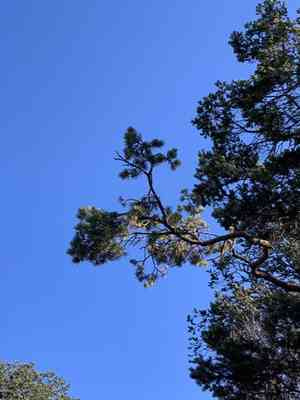
1
Pinyon pine flourishes optimally with a minimum of 6 hours of direct sun daily.
2
Inadequate light can result in stunted development and heightened vulnerability to illnesses.
3
Observing sun exposure aids in guaranteeing the peak well-being of your Pinyon pine.
Pinyon Pine Sunlight Requirements
Full Sun Exposure
The Pinyon pine is a robust and adaptable tree, frequently found in the dry regions of the southwestern United States. This species flourishes with complete sun exposure, meaning it requires direct sunlight for the majority of the day. In its natural habitat, it is accustomed to an abundant supply of sunlight, which aids its development.
Optimal Daily Sunlight Duration
For peak growth, the Pinyon pine needs at least 6 hours of direct sunlight daily. However, it can benefit from even longer exposureâup to 10 hours in some instances. Providing ample sunlight helps maintain the treeâs health, vitality, and visual appeal.
Regional Considerations
Geographical location significantly impacts the amount of sunlight a Pinyon pine receives. In areas with extended, sunny days, the tree will thrive more readily compared to regions with frequent cloud cover or substantial shade. Owners in these less ideal conditions might need to consider supplementary lighting or strategic planting spots to ensure their Pinyon pine gets the necessary sunlight.
Impact of Insufficient Sunlight on Pinyon Pine
Signs of Low Sunlight
When a Pinyon pine doesn't receive adequate sunlight, it exhibits several clear symptoms. These include sparse foliage, yellowing needles, and stunted development. These indicators suggest the tree isn't photosynthesizing effectively, directly affecting its health and growth.
Growth Inhibition
A lack of sufficient sunlight can significantly impede the growth of a Pinyon pine. Reduced sunlight limits the treeâs capacity to generate energy, leading to slower growth rates and a weaker structure. This can make the tree more vulnerable to environmental stressors and less likely to achieve its full potential size.
Disease Vulnerability
A Pinyon pine deprived of enough sunlight is also more susceptible to illnesses. Poor light conditions can weaken the treeâs natural defense mechanisms, making it more prone to pest infestations and fungal infections. Ensuring the tree receives ample sunlight is crucial for maintaining its overall health and disease resistance.
Managing Pinyon Pine Sunlight
Best Planting Locations
To maximize sunlight exposure, itâs vital to plant your Pinyon pine in an open area where it can receive uninterrupted sunlight throughout the day. Avoid planting in the shade of buildings, larger trees, or any structures that might block the sun. South-facing sites often provide the best sun exposure in the northern hemisphere.
Seasonal Light Adjustments
Seasonal changes can influence the amount and angle of sunlight your Pinyon pine receives. In winter, when days are shorter and the sun is lower, the tree might not get as much sunlight. To counter this, consider pruning nearby trees or relocating any movable objects that might cast shadows during the shorter days of the year.
Sunlight Monitoring Advice
Monitoring the amount of sunlight your Pinyon pine gets can be beneficial for ensuring its continued health. Use a sunlight meter or simply observe the direct sunlight hitting your tree throughout the day. If you notice insufficient sunlight, take steps to modify the treeâs environment to increase exposure.
Pinyon Pine Sunlight FAQs
Can Pinyon Pine Grow in Partial Shade?
While Pinyon pine trees can endure partial shade, they thrive best with full sun. Partial shade may restrict their growth and health, leading to less vibrant foliage and potentially making them more prone to diseases. Therefore, aiming for full sun exposure is ideal.
How Does Altitude Affect Sunlight Needs?
Altitude can influence the intensity of sunlight a Pinyon pine receives. Higher altitudes often mean more intense sunlight, which can benefit the tree. However, at higher elevations, the growing season may be shorter, so ensuring the tree gets full sunlight during the available time is crucial.
What Are the Best Companion Plants for Pinyon Pine?
Companion plants that flourish in similar full-sun, arid conditions are excellent choices to plant alongside your Pinyon pine. Sagebrush, juniper, and yucca are well-suited companions that can share similar sunlight and soil requirements, helping to create a harmonious plant community.



