How Much Sunlight Do Moss rose Need?
1
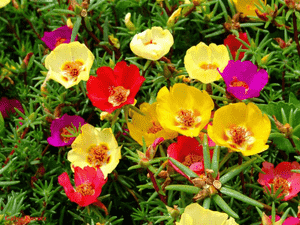
Portulaca grandiflora is a heliotropic species that flourishes with a minimum of six hours of direct solar exposure daily.
2
This plant produces abundant flowers throughout the warmer months, making it an excellent addition to sun-drenched garden spaces.
3
For indoor cultivation of Portulaca, positioning it adjacent to a south-facing window will optimize its reception of natural light.
The Vital Role of Sunlight for Moss Rose
Sunlight's Influence on Development and Blossoming
Sunlight acts as the primary energy source for a flourishing Moss rose. This charming plant demands a substantial amount of illumination to power its development and yield its vibrant, beautiful flowers. Without adequate sun exposure, the plant might become lanky, and its blooming will be scarce. Sunlight aids the plant in growing robustly and producing an abundance of colorful blossoms, making it a highlight in any garden.
The Process of Photosynthesis in Moss Rose
Photosynthesis is the mechanism through which Moss rose converts solar energy into chemical energy to fuel its various functions. During this process, chlorophyll within the plant's leaves absorbs sunlight, utilizing it to transform carbon dioxide and water into glucose and oxygen. This not only supports the Moss rose's growth and flowering but also plays a critical role in its overall vitality and health.
Optimal Light Conditions for Moss Rose
Recommended Daily Sunlight Hours
Moss rose needs full sun to thrive, meaning at least 6 to 8 hours of direct sunlight daily. These hours are essential, particularly during the flowering phase, to guarantee the plant produces a lavish display of blooms. Aim for the higher end of light exposure, and your Moss rose will reward you with its best performance.
Placement within Your Garden
When cultivating Moss rose in your garden, select a spot that receives ample sunlight throughout the day. South-facing garden areas are ideal in the northern hemisphere, as they capture the maximum amount of sun. Avoid situating the plant in shaded locations, as this can impede its growth and significantly reduce flowering.
Impact of Seasonal Variations
Seasonal changes can influence the amount of sunlight Moss rose receives. During summer, the plant flourishes with extended daylight hours, whereas in winter, it might struggle due to shorter days and weaker light. In such instances, consider bringing potted plants indoors or employing grow lights to augment natural sunlight.
Issues Arising from Incorrect Sunlight Exposure
Signs of Insufficient Sunlight
When Moss rose does not receive enough sunlight, it displays several clear indications. The plant may become elongated and slender, stretching towards any available light source. Furthermore, the foliage might appear pale or yellowish, and blooming will be minimal or absent. Address these symptoms by relocating the plant to a brighter position.
Consequences of Excessive Sunlight
While Moss rose thrives in sun, too much intense sunlight, especially in extremely hot regions, can lead to sunburn or scorching of the leaves. This manifests as browned or crispy edges on the leaves and flowers. To prevent this, introduce partial shade using garden netting during the peak afternoon sun or provide a shaded area on excessively hot days.
Adjusting Sunlight Exposure for a Healthier Moss Rose
Utilizing Shade Cloths or Netting
If your Moss rose is exposed to excessive intense sunlight, especially during sweltering summer days, shade cloths or netting can be an excellent solution. These materials filter the sunlight, diminishing its intensity and safeguarding the plant from potential sun damage, without depriving it of the necessary light.
Repositioning Pots and Planters
For Moss rose plants in containers, a simple method to modify sunlight exposure is by moving the pots. Relocate them to sunnier or shadier spots as required. For instance, you can place pots in brighter locations during spring and summer and move them to less intense sunlight areas or indoors as the seasons change.
Adapting to Indoor Environments
When growing Moss rose indoors, position it near a south-facing window to maximize natural light exposure. If natural illumination is insufficient, particularly during winter months, consider using grow lights as supplementary lighting. These lights replicate natural sunlight and provide the crucial rays needed for photosynthesis and robust growth.



