How Much Sunlight Do Common selfheal Need?
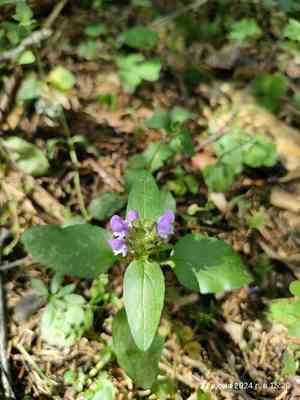
1
Common selfheal tolerates some shade, yet it flourishes most effectively under full sun exposure.
2
Target a minimum of six hours of direct daylight daily to achieve peak development for Common selfheal.
3
Excessive solar exposure may cause leaf burn and various other health problems for Common selfheal.
Optimal Sunlight Requirements for Common selfheal
Ideal Sunlight Exposure
For your Common selfheal, comprehending its sun requirements is vital. This robust perennial flourishes best in environments offering abundant solar exposure. Aim for a minimum of 6 hours of direct sun daily. This necessitates selecting a garden spot that gets ample morning or early afternoon light. Providing proper illumination ensures vibrant growth and lovely, purplish-blue blooms.
Full Sun vs Partial Shade
Though Common selfheal tolerates partial shade, it thrives in full sun for peak development. Full sun means the plant absorbs light most of the day, encouraging strong, vivid growth. Conversely, partial shade can diminish its flowering capacity and general vigor. If partial shade is unavoidable, ensure the plant still receives substantial light, especially during active growing seasons.
Effects of Insufficient Sunlight on Common selfheal
Signs of Low Light Stress
If your Common selfheal isn't receiving enough sunlight, it will begin to show indicators of distress. Watch for symptoms like elongated stems, smaller leaves, and a general lack of vitality. The plant might also produce fewer flowers, and existing blooms could appear paler and less vibrant. If these signs appear, consider relocating your plant or pruning back nearby foliage that may cast too much shade.
Growth Patterns and Health Impact
Extended periods of inadequate sunlight can severely impact the well-being of your Common selfheal. The plant may become leggy, with long, sparse stems stretching for light, resulting in a weak and less attractive appearance. Moreover, poor light conditions can heighten the plant's vulnerability to diseases and pests, further compromising its health. Consistent and sufficient light exposure ensures sturdy growth and a resilient plant.
What Happens with Excessive Sunlight?
Symptoms of Overexposure
While sunlight is crucial for Common selfheal's growth, an excess can be harmful. Overexposure symptoms include leaf scorch, where leaves develop brown, brittle edges, and overall wilting. The plant may also look bleached or sunburned, particularly during the day's hottest hours. Observing your plant for these signs can help you take swift corrective action.
Preventive Measures
To prevent overexposure, consider using shade cloths or positioning your Common selfheal where it gets morning sun but is shielded from intense afternoon rays. Mulching around the base can help retain soil moisture and stabilize soil temperature. Regularly check soil hydration, especially during hot weather, to ensure your plant remains adequately watered.
Best Practices for Managing Sunlight for Common selfheal
Seasonal Adjustments
As the seasons shift, so do garden sunlight patterns. During spring and summer, Common selfheal benefits from increased sunlight. In autumn and winter, when the sun is less intense and days are shorter, adjust the plant's placement if needed to maximize light exposure. Understanding these seasonal changes helps maintain optimal growing conditions throughout the year.
Using Shade Cloths and Other Tools
Employing shade cloths can be an effective method to control the amount of sunlight your Common selfheal receives, particularly during extreme weather. These cloths can filter solar rays, ensuring your plant gets appropriate light without being overexposed. Other aids, such as plant umbrellas or strategically positioned garden elements, can also help regulate sunlight exposure and protect your plant from environmental stressors.



