How Much Sunlight Do Carolina cherry laurel Need?
1
Carolina cherry laurels flourish with a minimum of six hours of daily sun exposure.
2
Filtered light is frequently optimal for juvenile Carolina cherry laurel specimens, aiding their development without sun damage.
3
Observe for changes in leaf color or shedding, which can indicate improper light conditions.
Optimal Light Conditions for Carolina Cherry Laurel
Full Sun: Advantages and Disadvantages
Full sun exposure means the Carolina cherry laurel receives 6 to 8 hours of direct sunlight daily. The advantages of full sun include vigorous development and dense foliage, crucial for a vibrant garden appearance. However, the disadvantages involve potential leaf burn during extremely hot periods and the need for increased irrigation to maintain plant hydration.
Partial Shade: Best Practices
Partial shade signifies 3 to 6 hours of daily sunlight, ideally in the morning or late afternoon. This light condition helps prevent leaf scorching and reduces the plant's water requirements. It's perfect for regions with hot climates. When planting in partial shade, ensure the soil is well-drained and slightly moist for optimal growth.
Filtered Light: Achieving the Perfect Balance
Filtered light is a blend of sun and shade, typically created by the partial canopy of taller trees. This type of illumination is excellent for young Carolina cherry laurel plants, allowing them to establish without the risk of harsh direct sunlight. Filtered light ensures plants receive sufficient light for photosynthesis without the stress of overheating.
Daily Sunlight Duration for Carolina Cherry Laurel
Recommended Hours of Sunlight
For peak growth, the Carolina cherry laurel needs at least 6 hours of sunlight daily. This exposure ensures the plant can produce enough food through photosynthesis to support its development. In less sunny locations, supplementing with reflective surfaces can help boost light exposure.
Seasonal Sunlight Fluctuations
Throughout the year, the intensity and duration of sunlight vary. In spring and summer, the Carolina cherry laurel will receive ample light, promoting growth and blooming. During fall and winter, daylight hours decrease, which is suitable as the plant enters a dormant or slower growth phase. Adjust watering and care routines to match these seasonal changes.
Signs of Excessive or Insufficient Sunlight for Carolina Cherry Laurel
Symptoms of Overexposure to Sunlight
Too much sunlight can lead to leaf scorch, where the leaves turn brown and brittle at the edges. Wilting, despite regular watering, is another sign. If you observe these symptoms, consider providing shade during peak sun hours or moving the plant to a location with less intense sun.
Symptoms of Insufficient Sunlight
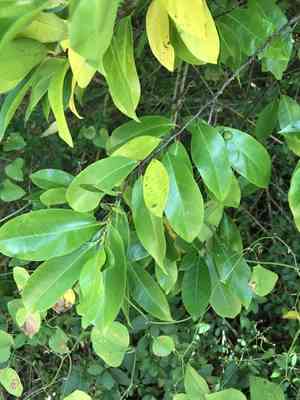
Inadequate sunlight can cause the Carolina cherry laurel leaves to yellow and drop prematurely. The plant may also become leggy, with elongated stems as it stretches towards available light. Ensure the plant is moved to a brighter spot if these symptoms appear.
Optimizing Sunlight Exposure for Carolina Cherry Laurel in Your Garden
Selecting the Right Garden Location
Placing your Carolina cherry laurel in the correct spot is vital. Ensure it receives morning sun and afternoon shade to protect it during the hottest parts of the day. Areas with well-drained soil and good air circulation are ideal.
Using Mulch to Regulate Soil Temperature
Mulching around the base of the Carolina cherry laurel helps maintain soil moisture and temperature. Organic mulch like wood chips or bark also enriches the soil as it decomposes. Apply a 5-10 cm (2-4 inch) layer of mulch, but keep it a few centimeters away from the trunk to prevent rot.
Pruning Techniques for Improved Light Penetration
Pruning the Carolina cherry laurel helps manage its shape and allows better light penetration within its canopy. Trim back overgrown branches and remove any dead or damaged foliage to enhance sunlight distribution and improve overall plant health.



