How Much Sunlight Do Peach Need?
1
For best development, peach trees need a minimum of 6 hours of direct sun each day.
2
Too little sun may result in inferior fruit and heightened susceptibility to illness.
3
Strategic pruning and choosing an ideal planting site can enhance a peach tree's sun exposure.
Why Peach Trees Need Sunlight
Photosynthesis and Energy Production
Sunlight is vital for Peach trees as it powers photosynthesis, enabling them to convert light into chemical energy. This process creates the sugars essential for their development. Without sufficient sun, these trees will lack the necessary energy, leading to hindered growth and poorly developed foliage.
Fruit Development and Quality
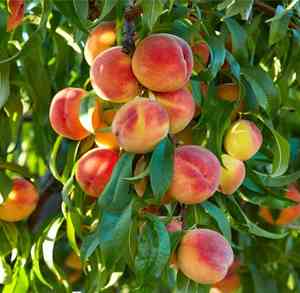
Sunlight plays a crucial role in the maturation and excellence of Peach fruits. Ample sunlight ensures fruits reach their ideal size, hue, and taste. Insufficient light can result in smaller, less sweet fruits, greatly diminishing their market appeal and deliciousness.
Disease Resistance
Proper sunlight exposure also aids Peach trees in fending off diseases. Sunlight encourages strong growth and boosts the tree's overall vitality, making it less vulnerable to ailments and pests. Shaded spots tend to hold moisture longer, fostering an environment favorable for mold and mildew.
Ideal Sunlight Conditions for Peach Trees
Full Sun Requirement
Peach trees flourish best in full sun, meaning they require uninterrupted direct sunlight for the majority of the day. Full sun exposure is critical for vigorous growth, optimal fruit output, and the tree's overall well-being.
Daily Sunlight Hours
For prime growth, Peach trees need a minimum of six hours of direct sun daily. However, providing up to eight hours can further enhance their growth and fruit production. It is crucial to ensure they receive this sunlight during the peak growing season to maximize their potential.
Factors Affecting Sunlight Exposure
Geographical Location
Your garden's geographical position can significantly influence the amount of sunlight your Peach trees receive. Regions closer to the equator typically experience more consistent sunlight year-round, while those further away show more distinct seasonal variations in daylight hours.
Seasonal Variations
Seasonal shifts can impact the quantity and intensity of sunlight your Peach trees get. In winter, the sun's angle is lower, resulting in shorter daylight hours and less intense illumination. Ensuring your Peach trees receive maximum exposure during spring and summer is vital for their development.
Garden Layout and Obstacles
The design of your garden and any potential impediments, such as structures, fences, and other trees, can affect sunlight exposure. Placing your Peach tree in a spot that avoids shadows from these obstacles will help maximize the sunlight it obtains.
Tips for Maximizing Sunlight for Peach Trees
Optimal Planting Locations
Select a planting site that receives full sun throughout the day. Ideally, in the Northern Hemisphere, the location should be south-facing to capture the most sunlight. Avoid planting in low-lying areas where shadows from nearby objects could impede sunlight exposure.
Pruning Strategies
Regular pruning helps ensure all sections of the Peach tree receive adequate sunlight. By removing excess branches and thinning the canopy, light can reach the tree's lower parts. This not only promotes growth but also improves air circulation, decreasing disease risk.
Using Reflective Mulch
Reflective mulches can be employed to boost sunlight exposure to the undersides of tree leaves. By bouncing sunlight back into the tree, these mulches help ensure the entire tree gets the light it requires, fostering healthier growth and more uniform fruit development.
Signs of Insufficient Sunlight in Peach Trees
Identifying Poor Growth
If your Peach tree isn't getting enough sunlight, you might observe stunted or slow development. This occurs because the tree isn't generating enough energy to sustain vigorous growth due to inadequate photosynthesis.
Recognizing Low Fruit Yield
A low fruit yield is another indicator of insufficient sunlight. If your Peach tree is not producing the expected quantity or quality of fruit, it could be due to a lack of adequate sunlight, which is essential for fruit development.
Spotting Leaf Discoloration
Leaf discoloration is a common symptom of insufficient sunlight. Leaves may appear yellow or faded, indicating the tree is struggling to produce enough chlorophyll due to inadequate light exposure.



