How Much Sunlight Do Common chokecherry Need?
1
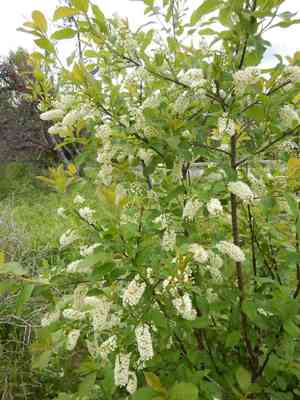
Common chokecherry flourishes optimally with ample sunlight, requiring a minimum of 6 hours of direct sun each day.
2
Juvenile Common chokecherry specimens may benefit from some dappled light to aid their development.
3
Excessive direct solar exposure during the peak heat of the day can cause leaf burn on Common chokecherry.
Ideal Illumination Conditions for Prunus virginiana
Full Sun vs. Partial Shade
For peak development, Prunus virginiana should be situated in an area receiving direct sunlight for at least six hours daily. Nevertheless, it can also thrive in partially shaded environments, making it adaptable for various garden spots. Full sun encourages more robust growth and increased fruit yield, while partial shade can aid young plants in establishing stronger root systems and mitigating stress in very hot climates.
Light Needs by Development Stage
Prunus virginiana requires varying light intensities based on its growth phase. Young saplings benefit from partial shade, which helps them adapt and grow without the risk of sunburn or excessive moisture loss. As the plant matures, full sun becomes increasingly vital for healthy foliage and fruit production. Therefore, providing younger plants with some protection and gradually increasing their sun exposure is a sound strategy for long-term vitality.
Sunlight's Influence on Prunus virginiana Health
Photosynthesis and Growth Velocity
Sunlight is crucial for photosynthesis, the process by which Prunus virginiana converts light into energy. More sunlight boosts the rate of photosynthesis, leading to quicker growth, enhanced vigor, and improved overall well-being. Plants in full sun typically display denser foliage and a more abundant fruit set compared to those in shadier conditions.
Indicators of Excessive or Insufficient Light
It's important to recognize signs indicating whether Prunus virginiana is receiving the appropriate amount of sunlight. Yellowing leaves, leaf burn, or even wilting can suggest too much direct sun exposure. Conversely, if the plant isn't getting enough light, it might exhibit slow growth, elongated stems, and fewer or smaller fruits. Observing these indicators can help you make necessary adjustments for optimal plant care.
Adjusting Sunlight Exposure for Prunus virginiana
Placement Advice for Optimal Light
To optimize sunlight exposure, position your Prunus virginiana in a spot that receives consistent sunlight throughout the day, ideally on the eastern or southern side of your garden. This ensures it gets beneficial morning and early afternoon sun without being subjected to intense late afternoon heat. Utilizing reflective surfaces like light-colored walls can also help maximize light exposure.
Shading and Light Diffusion Methods
Employing shading techniques, such as using shade cloths or placing taller plants nearby to diffuse light, can safeguard Prunus virginiana from scorching during peak summer months. This is especially useful for young plants or in regions with strong sunlight. Temporary structures like pergolas or latticework can also provide necessary relief for the plant while maintaining adequate light.
Seasonal Light Changes and Prunus virginiana Care
Spring and Summer Light Adjustments
During spring and summer, the sun is more potent, and days are longer, providing ample light to your Prunus virginiana. Ensure the plant stays hydrated and monitor for any signs of heat stress. You might need to offer afternoon shade or increase watering frequency during the hottest days to maintain plant health.
Fall and Winter Light Considerations
In fall and winter, sunlight becomes less intense, and days shorten. Prunus virginiana will enter dormancy, requiring less light and water. Ensure the chosen planting site allows for maximum available sunlight during these months by trimming overhanging branches or relocating potted specimens to a sunnier spot.



