How Much Sunlight Do Golden larch Need?
1
Golden larch needs over six hours of direct sun daily for healthy development.
2
It can endure some shade, though full sun exposure is ideal for peak performance.
3
Insufficient light manifests as discolored needles and inhibited development.
Best Light Conditions for Golden Larch
Full Sun Needs
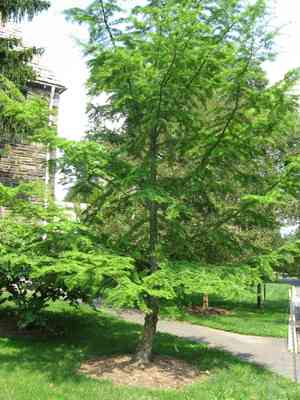
The Golden Larch is a heliophilic tree that flourishes best with direct exposure to full sunlight. This means it requires at least six hours of direct sun daily. Ample sun exposure fosters strong development, vibrant foliage, and overall tree vitality. In areas with abundant full sun, the Golden Larch exhibits its most striking form and color.
Partial Shade Capability
While the Golden Larch favors full sun, it can also withstand partial shade. In locations where full sunlight isn't consistently available, ensuring the tree receives some direct sun throughout the day can be advantageous. However, it's important to note that insufficient light may result in less vibrant foliage and slower growth.
Light's Influence on Golden Larch Development
Effect on Foliage and Hue
Sunlight plays a vital role in the foliage and coloration of the Golden Larch. With proper light, the needles adopt a brilliant golden tint, particularly during the autumn. Conversely, inadequate sunlight can lead to a duller color display, causing needles to remain subdued or prematurely yellow.
Growth Pace and Tree Vitality
Sufficient sunlight significantly impacts the growth rate and overall health of the Golden Larch. Trees cultivated in full sun tend to exhibit faster growth, sturdier branches, and enhanced disease resistance. Conversely, a lack of sunlight can cause restricted growth, weaker limbs, and heightened susceptibility to pests and ailments.
Seasonal Light Requirements
Spring and Summer
During the spring and summer months, the Golden Larch greatly benefits from extended daylight hours. This is the period of the tree's most vigorous growth and demands consistent sun exposure. Ensuring the tree receives full sun during these seasons will promote the development of lush, green needles and robust development.
Autumn and Winter
In autumn, the Golden Larch's needles transition to a beautiful golden shade before shedding. Even as daylight hours shorten, the tree still benefits from maximum sunlight to complete its seasonal cycle. During winter, when the tree is dormant, light requirements are minimal, but placement remains crucial for its overall well-being.
Indicators of Insufficient Light for Golden Larch
Needle Yellowing
One of the initial signs that a Golden Larch isn't getting enough sunlight is the yellowing of needles outside the autumn season. If you observe the needles turning yellow during the active growing period, it could suggest the tree requires more light exposure.
Retarded Growth
Another clear sign of inadequate sunlight is hindered growth. The Golden Larch might show sluggish growth patterns, smaller-than-average needles, and frail branches. Ensuring the tree is relocated or repositioned to receive more sunlight can help alleviate these problems.
Regional Considerations
Optimal Climate Zones
The Golden Larch thrives in USDA hardiness zones 4 to 7. It necessitates a climate with distinct seasons to prosper, particularly benefiting from full sun exposure during spring and summer. The tree's native environment includes regions with cool summers and cold winters.
Adaptation to Various Settings
While the Golden Larch prefers specific climate zones, it can adjust to different locations with proper care. If planting in a region with hotter summers, providing some afternoon shade can safeguard the tree. Conversely, in cooler zones, ensuring maximum sun exposure throughout the day is essential.



