How Much Sunlight Do Pomegranate Need?
1
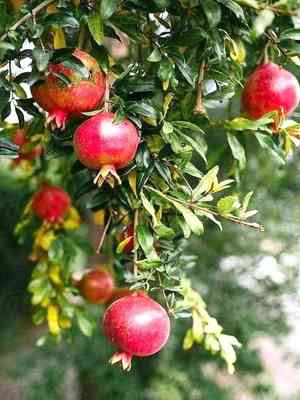
Pomegranate plants flourish optimally with over six hours of direct sun exposure each day.
2
Pomegranates can endure conditions of partial shading, though this might impact the quality of their fruit.
3
Excessive solar radiation has the potential to induce sunburn on the foliage and produce of Pomegranate trees.
The Role of Sunlight in Pomegranate Health
Energy Conversion and Development
Sunlight is vital for photosynthesis, the process plants use to convert light into energy. For pomegranates, ample sunlight enables robust growth. When a pomegranate receives sufficient light, it utilizes this energy to build strong root systems, healthy foliage, and ultimately, more blossoms. A well-illuminated environment prevents the plant from becoming spindly and weak.
Fruit Yield
The quantity of fruit a pomegranate yields is directly linked to the quality of sun exposure it receives. Sunlight aids in the development of flowers, which later transform into fruit. If the plant lacks adequate sunlight, flowers may not fully develop, leading to poor fruit set. Sun-drenched pomegranates are more likely to bear abundant, well-formed fruits.
Taste and Quality Enhancement
Sunlight influences the overall quality and flavor of pomegranate fruits. Fruits maturing under sufficient sunlight tend to have a richer taste and higher nutritional content. Adequate sunlight helps boost the sugar levels in the fruit, making pomegranates sweeter and more palatable.
Optimal Light Conditions for Pomegranates
Ideal Sun Exposure Duration
Pomegranates thrive in full sun, requiring at least 6 to 8 hours of direct sunlight daily. This exposure ensures the plant has the energy necessary for growth and fruit production. Positioning your pomegranate tree where it can absorb the most daily sunlight is fundamental.
Seasonal Adjustments
Sunlight availability and intensity fluctuate across seasons. During summer, extended daylight hours provide ample sun, which benefits pomegranate growth. However, in winter, daylight decreases, and the sun's position shifts. It's important to relocate potted plants or ensure outdoor plants remain in an optimal spot.
Direct vs. Ambient Light
While ambient daylight is beneficial, direct sunlight is what truly impacts pomegranates. Direct sunlight means the plant is exposed to unfiltered solar rays, which are crucial for energy generation through photosynthesis. In contrast, indirect light or partial shade may not fully satisfy the plant's needs. Therefore, prioritizing direct sunlight is key.
Maximizing Sun Exposure for Your Pomegranate
Selecting the Prime Location
Choosing the best spot for your pomegranate is crucial. If planting outdoors, pick a south-facing area that receives consistent sun throughout the day. For indoor plants, place the pot near a bright window or in an unshaded patio corner.
Utilizing Light Reflection
To maximize sun exposure, especially during less sunny seasons, you can place reflective surfaces around your pomegranate. Aluminum foil or light-colored walls can bounce light onto the plant, increasing the amount of sunlight it receives. This method can be particularly effective in gardens with some shade.
Guarding Against Overexposure
Although pomegranates love sun, excessive exposure can cause sunburn on leaves and fruit. To prevent this, consider using shade cloths during periods of intense sun, especially in very hot climates. This balance ensures the plant gets enough sunlight without suffering adverse effects from too much.
Indicators of Improper Sun Exposure in Pomegranates
Symptoms of Sun Damage
Look for signs of sunburn if your pomegranate is receiving too much sun. Symptoms include brown or white patches on the leaves, indicating scorch marks. The fruit may also develop a tough, leathery texture on the side exposed to the sun.
Signs of Insufficient Light
If a pomegranate isn't getting enough sunlight, you might observe stunted development. Leaves could become smaller and lighter in hue, and fruit might be less plentiful and not as sweet. Inadequate light can also lead to leggy stems that reach towards available light sources.
Correcting Light Conditions
If your pomegranate exhibits symptoms of too much or too little sunlight, adjusting its placement can help. Move container plants to a sunnier spot if they lack light. Conversely, provide shade during the hottest parts of the day to prevent sunburn if overexposure is the problem.
Common Questions About Pomegranate Sunlight Requirements
Can Pomegranates Thrive in Partial Shade?
Yes, pomegranates can grow in partial shade, but this may negatively impact their fruit production and quality. While they can endure some shade, it's vital for the plant to receive the highest possible amount of direct sunlight to ensure vigorous growth and optimal fruiting.
What Happens if My Pomegranate Receives Excessive Sun?
Excessive sunlight can result in sunburn for your pomegranate. The leaves might display scorching, such as brown or white spots, and the fruit can become damaged. To avoid this, consider employing shading techniques during peak sunlight hours, particularly in hot climates.
How Does Climate Influence Sunlight Needs?
Climate plays a significant role in determining a pomegranate's sunlight requirements. In areas with intense sunlight and high temperatures, providing some shade during the hottest part of the day may protect the plant. Conversely, in cooler climates with shorter days, ensuring the plant receives every bit of available sunlight is critical.



