How Much Sunlight Do Northern red oak Need?
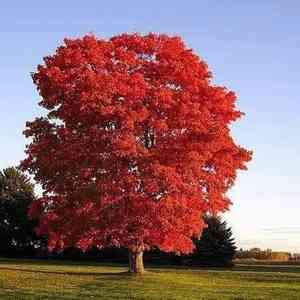
1
Northern red oaks flourish when exposed to full sunlight, getting over six hours of direct sun each day.
2
While they can endure some partial shade, these trees achieve optimal growth in locations with ample light.
3
Insufficient or incorrect light exposure can result in hindered development and various health problems for Northern red oaks.
Optimal Light Conditions for Northern Red Oak
Requirement for Full Sun
The Northern red oak, admired for its majestic presence and vivid fall colors, flourishes best in full sun. This means it requires at least six hours of direct solar exposure daily. Full sun is vital for peak development, promoting a strong crown and a healthy root system. Insufficient light can impede its growth and result in sparse leaves.
Tolerance for Partial Shade
While Northern red oaks prefer full sun, they can withstand partial shade. This resilience indicates that if parts of your garden receive slightly less than six hours of sunlight, the tree can still survive. Nevertheless, for the tree to achieve its maximum height and leaf density, positioning it in full sun is ideal.
Choosing a Spot for Northern Red Oak
Picking the Right Location in Your Yard
Selecting an appropriate planting site for your Northern red oak is critical. Search for an area in your garden that gets ample sunlight throughout the day. Preferably, select an open space free from large structures or other trees that could cast excessive shadows. Remember, more sunlight equals better growth!
Avoiding Areas with Excessive Shade
It is essential to refrain from planting Northern red oak in very shady locations. Shaded spots can hinder the tree's development and vitality. Without enough sunlight, the tree might develop fragile branches and a thin canopy. If planting in a less sunny area is unavoidable, ensure the spot still receives a minimum of four to six hours of direct sunlight to meet its basic needs.
Impact of Inadequate Sunlight on Northern Red Oak
Indicators of Excessive Sun Exposure
While Northern red oaks thrive in full sun, too much direct sunlight can occur, especially in extremely hot climates. Signs of overexposure to sun include leaf scorching, where leaf edges turn dry and brown, and stunted growth due to thermal stress.
Symptoms of Insufficient Sunlight
Conversely, a lack of adequate sunlight can also adversely affect Northern red oak trees. Symptoms of too little light include elongated and weak branches, sparse foliage, and a general decline in vigor. The tree may also become more prone to pests and diseases due to its weakened state.
Seasonal Light Changes for Northern Red Oak
Summer Sunlight Requirements
During the summer months, Northern red oak trees benefit from consistent and abundant sunlight. The long days and intense solar radiation support the tree's growth surge and help maintain its lush canopy. Ensure your tree receives uninterrupted sunlight during this period for optimal results.
Winter Light Adaptations
In winter, sunlight availability diminishes, but this is generally less critical as the Northern red oak enters dormancy. However, ensuring the tree still receives necessary light can help it store energy for the upcoming spring. Consider pruning nearby branches or obstructions that might create additional shade at this time.
Frequently Asked Questions About Northern Red Oak Sunlight Needs
Can Northern Red Oak Grow in Complete Shade?
While Northern red oak can tolerate some shade, it cannot grow optimally in complete shade. The absence of sufficient sunlight impedes its growth and can lead to a frail, unhealthy tree. Ideally, avoid planting in full shade to ensure the tree flourishes.
Does Northern Red Oak Require Direct Sun?
Yes, Northern red oak trees need direct sunlight to thrive. Indirect sunlight or filtered light through other trees may not supply the energy needed for the tree to grow robustly. Therefore, prioritizing locations with direct sunlight exposure is crucial for its well-being.
How Does Elevation Affect Sun Exposure?
Elevation can indeed influence sunlight exposure. Higher altitudes often receive stronger and more direct sunlight, which can be beneficial for Northern red oak. However, these areas may also present harsher conditions, so it's vital to balance sunlight with protection from extreme weather.



