How Much Sunlight Do Skunk-bush sumac Need?
1
Skunk-bush sumac flourishes optimally with more than six hours of direct sun each day.
2
Its ability to withstand some shade makes Skunk-bush sumac adaptable for diverse environments.
3
Employing reflective ground cover can maximize the sun exposure for your Skunk-bush sumac.
What Are the Light Requirements for Skunk-bush sumac?
Optimal Light Conditions
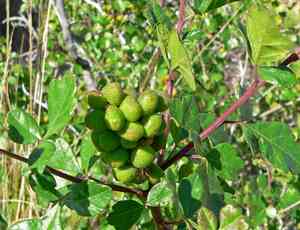
Skunk-bush sumac needs full sun to flourish, meaning it should get over six hours of direct sunlight daily. This exposure promotes vigorous growth and vivid foliage, crucial for the plant's overall health. More sunlight generally leads to better growth, displaying bright green leaves and abundant reddish-orange fruit clusters.
Impact of Insufficient Light
When Skunk-bush sumac lacks adequate sunlight, several problems can arise. First, its development may be hindered, leading to fewer leaves and fruit. Additionally, the plant might become more vulnerable to diseases and pests due to weakened state. Insufficient light can also cause etiolation, where the plant stretches toward the light, resulting in a less attractive appearance.
Signs of Too Much Sunlight
While Skunk-bush sumac loves sun, it can still get too much. Symptoms of excessive sun exposure include scorched or bleached leaves, which appear burned or faded. Moreover, extreme heat stress can cause the plant to wilt, impacting its general well-being. To prevent this, consider temporary shading during very hot periods.
How to Position Skunk-bush sumac for Best Sunlight Exposure?
Choosing the Right Location
For ideal sunlight exposure, place your Skunk-bush sumac where it can receive uninterrupted sun throughout the day. A south-facing garden or yard is usually best. Ensure no tall trees or structures nearby will cast shadows on your plant, limiting its sun access.
Seasonal Light Variations
It's important to consider seasonal changes when placing your Skunk-bush sumac. In winter, the sun is lower and might be blocked by buildings or other structures. Conversely, in summer, the sun is higher, providing more intense and prolonged light. Adjust placement if needed to ensure consistent exposure year-round.
Using Reflective Mulch
An effective way to boost sunlight exposure is by using reflective mulch. This type of mulch bounces extra light onto the plant, maximizing available sunlight. Reflective mulch can be especially useful in urban areas or spots with limited direct sun.
Can Skunk-bush sumac Grow in Partial Shade?
Adaptability to Shady Conditions
Skunk-bush sumac is quite adaptable and can endure partial shade, making it a resilient option for many gardeners. While it thrives in full sun, it can still grow reasonably well with a few hours of shade. This flexibility allows it to be planted in various outdoor settings, whether a sunny front yard or a partially shaded backyard.
Balancing Sunlight and Shade
Balance is crucial when cultivating Skunk-bush sumac in partial shade. Aim to provide at least four to six hours of direct sunlight and ensure it gets bright, indirect light for the rest of the day. By balancing sun and shade, you can foster a healthy, vigorous plant.
Tips for Managing Sunlight in Urban Settings for Skunk-bush sumac
Dealing with Reflected Light from Buildings
Urban environments can present unique challenges and opportunities for sunlight exposure. In some cases, light bouncing off buildings can offer extra illumination for your Skunk-bush sumac. Position your plant to benefit from this reflected light, ensuring it capitalizes on every available light source.
Maximizing Light with Limited Space
Urban gardens often have space limitations. To make the most of restricted areas, place your plant in the sunniest spot available and use vertical gardening methods. Incorporating mirrors or reflective surfaces can also help direct more light onto your Skunk-bush sumac.
How to Monitor Sunlight Exposure for Skunk-bush sumac
Using a Light Meter
A light meter is a valuable tool for measuring the amount of sunlight your Skunk-bush sumac receives. This device will help you ensure your plant gets the necessary light and aid in making informed decisions about repositioning it if required.
Observing Plant Health and Growth
Consistent observation of your Skunk-bush sumac can provide insights into its sunlight needs. Look for signs of healthy growth, such as vibrant leaves and robust flowering. Conversely, note any signs of distress like wilting, leggy growth, or discoloration, which may indicate insufficient or excessive sunlight. Regular monitoring ensures you can make timely adjustments to care practices.



