How Much Sunlight Do China rose Need?
1
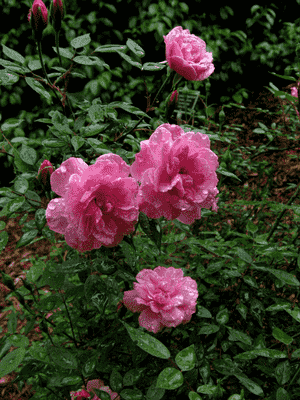
China rose flourishes optimally with a minimum of six hours of direct sun exposure each day.
2
Although it can withstand some dappled shade, extended durations in dim environments may impede its blossom production.
3
Insufficient sun penetration could lead to spindly stems and a reduced number of flowers.
Ideal Sunlight Requirements for Hibiscus rosa-sinensis
Full Sun Necessity
The Hibiscus rosa-sinensis thrives in abundant light, performing best with a minimum of 6 hours of direct sun daily. Ample sunlight encourages vigorous flowering and rich leaf coloration. Especially in regions with ample sunshine, providing your hibiscus with sufficient light will lead to a strong and beautiful specimen. Place it where it receives morning sun readily but can find afternoon relief from intense heat.
Tolerance for Partial Shade
Although the hibiscus is known for its sun preference, it can endure partial shade. Partial shade indicates the plant receives sunlight for roughly 3-6 hours. This can be advantageous if the plant is subjected to intense midday warmth. However, it's vital to remember that while partial shade can prevent overheating, inadequate light can hinder flowering and result in less vibrant development. Aim for equilibrium and optimal placement based on your specific environmental conditions.
Methods to Provide Adequate Sunlight for Hibiscus rosa-sinensis
Selecting the Optimal Placement
Choosing the ideal spot for your hibiscus is paramount. Ideally, select an area where the plant will receive ample morning sun and some filtered shade in the afternoon. This might be a south-facing garden or a location with unobstructed light during the earlier part of the day. If you reside in a particularly hot climate, slight afternoon shading can help avoid sunburn without compromising the plant's light needs.
Seasonal Light Adjustments
Light availability shifts with the seasons, and your care regimen should adapt accordingly. During the summer, ensure the hibiscus gets plenty of morning light, potentially offering slight protection from intense midday sun. In winter, maximizing sun exposure is crucial as sunlight is weaker and days are shorter. Consider utilizing reflective surfaces to boost light penetration or moving the plant for improved light absorption.
Indicators of Inappropriate Sunlight for Hibiscus rosa-sinensis
Excessive Sunlight Exposure
Too much sunlight can also be harmful. Signs of overexposure include scorched leaf edges, wilting during peak heat, and dry, brittle foliage. If these symptoms appear, evaluate the light levels and consider relocating your plant to a spot with some midday respite to ensure a balanced light environment that supports healthy growth without the risk of damage.
Insufficient Sunlight
Conversely, too little sunlight can impede the development of your hibiscus. Indicators of inadequate light include elongated stems, sparse blooms, and pale or yellowing leaves. These signs suggest the plant is reaching for a light source, not receiving enough energy for robust flowers or foliage. If these symptoms are present, increasing light exposure is essential to restore the plant's vitality.
Guidelines for Managing Sunlight for Indoor Hibiscus Plants
Utilizing Supplemental Lighting
If you are cultivating hibiscus indoors, managing sunlight becomes critical. Grow lights can be an excellent method to mimic natural sunlight. Position these fixtures approximately 15-30 cm (6-12 inches) above the plant and operate them for about 6-8 hours daily. This will help ensure the plant receives the necessary light energy for healthy growth and flowering, especially during periods of shorter daylight.
Window Placement
Another effective strategy to ensure your indoor hibiscus gets sufficient sunlight is by placing it near a south or east-facing window. These locations typically provide the best amount of natural light throughout the day. Employing a sheer curtain can help diffuse intense midday light, preventing potential leaf scorch while still supplying adequate brightness.



