How Much Sunlight Do Brown-eyed susan Need?
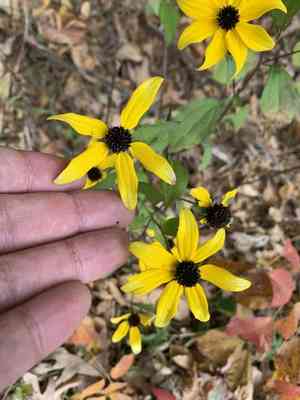
1
Brown-eyed Susans flourish with a minimum of six hours of direct sun each day.
2
These hardy plants can endure some shade, particularly during peak afternoon heat.
3
Indications of insufficient light involve stretched stems and reduced flowering.
The Importance of Sunlight for Brown-eyed Susan
Photosynthesis and Development
Sunlight is vital for photosynthesis, the process where plants convert light into energy. For the Brown-eyed Susan, sufficient sunlight ensures consistent growth and healthy foliage. This sun-loving plant needs bright light to generate the energy required for strong, healthy development.
Blooming and Flower Schedule
The amount of sunlight directly impacts the flowering and bloom timing of a Brown-eyed Susan. With ample sunlight, these plants will produce vibrant, long-lasting blossoms. Under optimal sun conditions, expect flowers from mid-summer to early fall, filling your garden with stunning yellow and brown hues.
Resilience to Stress
Adequate sunlight not only supports growth and flowering but also boosts the Brown-eyed Susan's stress tolerance. Sunlight enhances the plantâs ability to withstand various stressors, including drought and temperature changes. A well-sunned Brown-eyed Susan can better endure harsh conditions, making it a reliable garden addition.
Brown-eyed Susan's Sunlight Requirements
Optimal Daily Sun Exposure
For peak health, a Brown-eyed Susan should receive at least 6 hours of direct sunlight daily. This allows the plant to perform photosynthesis efficiently, promoting vigorous growth and vibrant blooms. In cooler climates, more sunlight is advantageous.
Full Sun vs. Partial Shade
While Brown-eyed Susan plants flourish in full sun, they can also tolerate partial shade. Full sun means a minimum of 6 hours of direct light daily, whereas partial shade offers some relief during the day's hottest periods. If planting in partial shade, ensure the plants still get morning sunlight for optimal growth.
Seasonal Light Fluctuations
Understanding seasonal sunlight variations is crucial. In spring and fall, when the sun is less intense, full daily sunlight is beneficial. During the height of summer, some afternoon shade can prevent leaf burn and stress, particularly in hotter regions.
Ideal Planting Locations for Brown-eyed Susan
Outdoor Planting Sites
The best outdoor planting spots for Brown-eyed Susan are areas that receive abundant sunlight throughout the day, such as south or west-facing gardens. Ensure the soil drains well to prevent root rot and regularly monitor moisture levels to keep the plants thriving.
Indoor Plant Considerations
If you wish to grow Brown-eyed Susan indoors, place the plant where it can receive maximum sunlight, like near a south or west-facing window. Use grow lights if natural sunlight is insufficient, aiming for at least 6 hours of light exposure daily.
Container Gardening Advice
For container gardening, ensure your Brown-eyed Susan receives 6-8 hours of sunlight by repositioning the container as needed. Use a pot with good drainage and quality potting mix. Regularly check moisture levels, as containers dry out faster than ground soil.
Signs Your Brown-eyed Susan Needs More or Less Sunlight
Indicators of Light Deficiency
Signs that your Brown-eyed Susan is not getting enough sunlight include leggy growth, pale leaves, and fewer flowers. If you observe these symptoms, consider moving the plant to a sunnier spot in your garden or closer to a window if indoors.
Symptoms of Excessive Sun Exposure
Conversely, too much sunlight can lead to leaf scorch and wilting, especially during peak summer heat. Brown or crispy leaf edges and a faded appearance indicate excessive sun exposure. Providing some afternoon shade can help alleviate these issues.
Common Questions About Brown-eyed Susan and Sunlight
Can Brown-eyed Susan Grow in Shade?
While a Brown-eyed Susan can tolerate partial shade, it will not flourish or bloom as vigorously as it would in full sun. For best results, ensure the plant gets at least 6 hours of direct sunlight daily.
What is the Best Time of Day for Sun Exposure?
Morning sunlight is ideal for Brown-eyed Susan, as it is less intense and can help dry off any dew, reducing the risk of fungal diseases. Aim for full sun in the morning and some shade during the hottest afternoon hours, particularly in warmer climates.
How to Protect Brown-eyed Susan from Intense Sunlight?
To protect your Brown-eyed Susan from intense sunlight, especially during peak summer, consider using shade cloths or placing taller plants nearby that can provide some afternoon shade. Ensure the soil remains moist to help the plant cope with the heat.



