How Much Sunlight Do Mexican petunia Need?
1
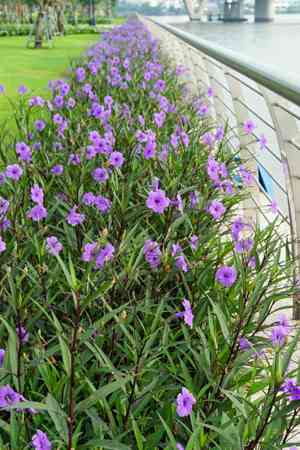
Mexican petunias flourish with over six hours of direct sun daily.
2
While partial shade is acceptable, it might reduce bloom production.
3
Cultivating indoors necessitates additional light sources to replicate natural sun exposure.
Optimal Light Conditions for Mexican Petunia
Ample Sun Exposure
The Mexican petunia flourishes best when exposed to abundant direct sunlight. This entails receiving over six hours of direct sun daily. Full sun encourages vigorous development and vibrant blossoms. Mimicking its native tropical and subtropical origins promotes peak health and profuse flowering. For outdoor planting, select a garden spot that receives ample direct sun throughout the day.
Partial Shade Resilience
While full sunlight is preferred, the Mexican petunia can withstand partial shade. This flexibility allows the plant to grow in locations that may not provide constant direct sunlight. In partial shade, flower production may decrease, and growth might be slower compared to plants in full sun. However, this offers gardeners more options for planting sites, particularly in gardens with varied light levels.
How to Guarantee Adequate Sunlight for Mexican Petunia
Selecting the Proper Site
To guarantee your Mexican petunia gets enough sunlight, choose a garden spot with unrestricted sun exposure. Steer clear of areas shaded by structures, trees, or large shrubs. A south-facing location is frequently best, especially in the Northern Hemisphere, as it captures the most sunlight all day. In regions with hot summers, morning and late afternoon sun are preferable, avoiding intense midday rays.
Seasonal Adjustments Necessary
Sunlight availability fluctuates with the seasons, impacting your Mexican petunia. During summer, the plant will luxuriate in copious sunlight, rendering repositioning often unnecessary. However, in autumn and winter, the sun's angle changes, leading to less light. To compensate, consider moving potted Mexican petunias to brighter spots or pruning back any branches that cast extra shade.
Typical Sunlight-Related Issues for Mexican Petunia
Signs of Insufficient Light
If your Mexican petunia isn't receiving enough light, it will display signs of distress. The plant might become leggy, with elongated stems reaching for more light. Leaves could become pale or yellow, and the number of blooms may significantly decline. In severe instances, the plant might become vulnerable to pests and diseases due to its weakened state. Regularly check your plant for these indicators and adjust its light exposure accordingly.
Managing Excessive Sunlight
Though Mexican petunias love sun, too much direct sunlight can cause problems, particularly on extremely hot days. Indications of too much sun include scorched or burnt leaves, where the foliage appears brown and brittle. To safeguard your plants, provide some afternoon shade using garden umbrellas, shade cloths, or even strategically placed taller plants. This can help lessen the sun's intensity during the hottest part of the day.
Indoor Cultivation Tips: Lighting Solutions for Mexican Petunia
Utilizing Grow Lights
When cultivating Mexican petunias indoors, natural light might not always suffice. Grow lights can effectively supplement indoor illumination. Full-spectrum LED grow lights emulate natural sunlight and are an excellent choice. Position grow lights approximately 15-30 centimeters (6-12 inches) above the plants, operating them for about 12-16 hours daily. This consistent artificial light supports vigorous growth and flowering.
Window Placement Best Practices
Another effective indoor strategy is positioning your Mexican petunia near a window that offers the most natural light. South-facing windows are ideal as they provide the most sunlight throughout the day. Ensure the plant is within 60-90 centimeters (2-3 feet) of the window to capture optimal light. Rotate the plant every few days to ensure even exposure and prevent lopsided growth.



