How Much Sunlight Do Sugarcane Need?
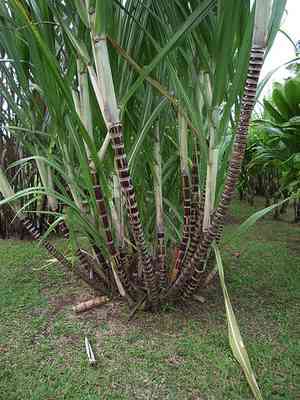
1
Sugarcane performs optimally with a minimum of 6 hours of direct sun each day.
2
While some direct light is acceptable, maximal growth necessitates full sun exposure.
3
Adequate sunlight is essential for Sugarcane's photosynthetic processes and cellular formation.
Why Sun Exposure is Vital for Sugarcane
Photosynthesis and Plant Development
Sunlight is fundamental to the photosynthesis process, which is critical for Sugarcane's development. Through photosynthesis, the plant captures solar energy and converts it, facilitating greater height, lush foliage, and robust stems. Comprehending this mechanism helps cultivators appreciate adequate solar exposure.
Cellular Formation
Beyond photosynthesis, solar radiation profoundly impacts cell creation within the Sugarcane plant. Sufficient light promotes the formation of sturdy cell structures, making the plant more resilient to environmental stressors and pests. Moreover, healthy cell growth contributes to the crop's overall vigor and output.
Ideal Solar Conditions for Sugarcane
Daily Sun Requirements
Sugarcane optimally needs over 6 hours of direct sun daily. Providing this level of light ensures the plant obtains the necessary energy for its growth and maturation. Consistent, full sun is best for Sugarcane to achieve high yields.
Intensity and Duration of Light
The strength and length of sun exposure are crucial for Sugarcane's health. Intense morning sunlight followed by moderate intensity in the afternoon supports peak photosynthetic activity. Ensuring the plant receives the correct amount of sun will help prevent issues like drooping or insufficient development.
Best Practices for Sun Exposure
Positioning Your Sugarcane
For optimal sun exposure, cultivate Sugarcane in an area that gets full sun throughout the day. Avoid locations with excessive shade from structures or trees, as this can impede the plant's growth. Thoughtful placement can significantly impact how well your Sugarcane flourishes.
Seasonal Adjustments
Depending on your region, the strength and duration of sunlight can vary with the seasons. In warmer months, ensure your Sugarcane isn't exposed to extreme midday sun by offering some shade during peak hours, if needed. Conversely, during colder months, try to maximize the plant's exposure to solar radiation by removing any obstructions.
Common Sun Issues and Resolutions
Signs of Excessive Light
Indicators of over-exposure in Sugarcane include yellowing foliage, wilting, and potential sunburn on the stems. If you observe these symptoms, consider providing temporary shade during the warmest parts of the day to safeguard the plant.
Signs of Insufficient Light
Inadequate sunlight can lead to hindered growth, pale leaves, and frail stalks. If your Sugarcane displays these problems, evaluate its planting site and relocate the plant to a brighter spot if feasible. Ensuring it receives more direct sun can reverse these signs.
Modifying Light Levels
If adjusting natural light levels isn't practical, consider employing grow lights to supplement the light your Sugarcane receives. Position the grow lights to imitate natural sunlight and maintain a steady light schedule to encourage healthy development.



