How Much Sunlight Do Mealycup sage Need?
1
Mealycup sage performs optimally in bright sun, needing a minimum of 6 hours of direct solar exposure each day.
2
It can withstand some dappled light, though excessive shade may hinder its blooms and development.
3
Making appropriate seasonal changes will help your Mealycup sage flourish throughout all seasons.
Ideal Light Requirements for Mealycup Sage
Full Sun Necessities
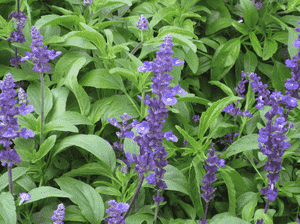
For your Mealycup sage to flourish, it's essential to provide abundant sunlight. Full sun exposure, meaning at least 6 hours of direct sunlight daily, is optimal. This ample illumination fosters robust development and plentiful blooms. Ideally, position your Mealycup sage where it receives uninterrupted sun from morning to early afternoon. Such exposure guarantees the plant gains the energy needed for photosynthesis and supports its vivid blue to violet flower spikes.
Partial Shade Resilience
Although Mealycup sage prefers full sun, it can tolerate partial shade, particularly in areas with intense midday sun. Partial shade indicates the plant will still get approximately 3-6 hours of sunlight, typically during the cooler parts of the day. However, it's important to note that while the plant can survive these conditions, its blooming may be less prolific compared to those grown in full sun. For gardens with mixed sun and shade, ensure the Mealycup sage receives as much light as possible to maintain its health and look.
Optimal Practices for Sun Exposure
Best Garden Placement
Selecting the correct garden spot is crucial for maximizing sunlight for your Mealycup sage. A south or west-facing location is generally best as it will receive the longest duration of direct sunlight. Keeping the planting area clear of overhanging branches or nearby structures that might cast shadows ensures maximum sun exposure. When planting in containers, placing the pots on sunny patios or deck spaces can provide optimal light conditions.
Adapting to Seasonal Changes
Seasonal variations significantly impact the amount of light your Mealycup sage receives. During summer, extended daylight hours provide ample sun, while winter's shorter days can severely limit exposure. To adjust, consider moving your potted plants to a more sun-exposed area during autumn and winter. For garden plants, pruning nearby trees or shrubs that may shade the Mealycup sage during periods of low light can be beneficial. Additionally, using reflective mulches or surrounding lighter-colored ground cover plants can help boost light absorption.
Common Sunlight Challenges and Remedies
Indications of Excessive Sun
Too much direct sun can sometimes stress your Mealycup sage. Signs to look for include leaf yellowing or browning, especially at the margins, and wilting despite sufficient watering. Sunburned foliage often appears scorched. To prevent this, ensure the plant is adequately hydrated and consider employing shade cloths during peak summer afternoons. This helps to diffuse intense sunlight and reduce the risk of sun stress.
Addressing Insufficient Light
Conversely, inadequate light can result in leggy growth, reduced flowering, and poor overall vigor. If you notice your Mealycup sage stretching towards light sources or generally appearing weak, it signifies a need for more sun. Relocate the plant to a brighter spot or trim back any obstructions. For indoor plants, supplementing with grow lights during darker months can ensure they receive the necessary light levels.



