How Much Sunlight Do Autumn sage Need?
1
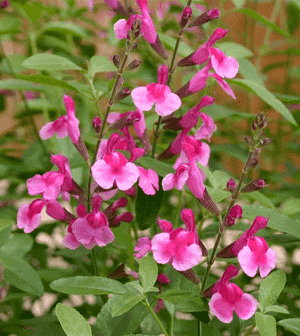
Autumn sage flourishes optimally with ample sunlight, requiring more than six hours of direct sun daily.
2
Correct placement of your Autumn sage can avert problems stemming from both too little and too much sun exposure.
3
Variations in seasons may alter the sunlight your Autumn sage gets, making adjustments necessary.
Ideal Light Conditions for Autumn Sage
Full Sun vs. Partial Shade
Autumn sage adapts to various light levels, but it truly flourishes in full sun. In such conditions, it produces more vibrant flowers and maintains a healthier look. However, it can also endure partial shade, especially in warmer climates. In partial shade, it may still grow well but might not bloom as profusely.
Daily Light Requirements
For Autumn sage to thrive, it ideally requires over six hours of direct sunlight daily. This duration enables efficient photosynthesis, promoting strong growth and abundant flowering. Whether planted in a garden or a pot, ensure it's in a spot where it can absorb ample sunlight each day.
Impact of Seasonal Changes on Light Exposure
As seasons shift, so does the sunlight pattern. During spring and summer, days are longer, and Autumn sage should receive plenty of sun. However, in fall and winter, with shorter days and weaker light, it might not get enough. Providing extra light or relocating your plant can help maintain its health during these periods.
How to Determine Proper Light Exposure
Signs of Insufficient Light
If your Autumn sage isn't getting enough light, you'll notice several indicators: stretched, spindly growth, fewer and smaller blooms, and a generally less robust appearance. Leaves might also appear paler than usual. If these signs are present, consider moving your plant to a brighter location.
Indicators of Excessive Light
Conversely, Autumn sage receiving too much sun can show scorched or burned leaf edges and a wilted look despite adequate watering. If your plant seems stressed in the afternoon heat, providing some shade during the hottest part of the day can be beneficial.
Positioning Autumn Sage for Optimal Light
Finding the right spot for your Autumn sage involves observing light patterns in your garden or on your balcony. Aim for a location that gets at least six hours of direct sunlight, preferably morning sun, which is less intense than afternoon sun. You can use a sun chart or app to track sun exposure throughout the day for best placement.
Tips for Adjusting Light for Autumn Sage
Using Mulch to Retain Moisture in Full Sun
Mulch can be your Autumn sage's best ally in full sun. It helps retain soil moisture and keeps roots cool. Apply a 2-3 inch (5-7.5 cm) layer of organic mulch around the plant's base. This practice not only conserves water but also helps regulate soil temperature, ensuring your plant stays happy and healthy.
Creating Shade for Overexposed Plants
If your Autumn sage is getting too much intense sunlight, creating temporary shade can help. Use garden umbrellas, shade cloths, or even strategically placed taller plants to offer relief during the hottest part of the day. This approach prevents sunburn and keeps the plant hydrated.
Regular Monitoring and Adjustments
Periodically check your Autumn sage for signs of light stress. Gradually adjust its position until you find the perfect balance. A little effort in monitoring can lead to healthier growth and more beautiful blooms.
Frequently Asked Questions about Autumn Sage and Light
Can Autumn Sage Grow Indoors?
While Autumn sage prefers outdoor conditions, it can be grown indoors if given sufficient light. Place it near a south-facing window where it can receive ample sunlight, or use grow lights to supplement natural light. Ensure the plant gets at least six hours of light daily.
What is the Ideal Light Duration for Autumn Sage?
Autumn sage ideally needs at least six hours of direct sunlight each day to flourish. In partial shade, it might still grow, but optimal blooming and overall health are achieved with full sun exposure.
Can Autumn Sage Tolerate Direct Summer Sun?
Yes, Autumn sage can tolerate direct summer sun, but it may require some extra care. Ensure it is well-watered and consider using mulch to help retain moisture. Providing some shade during the peak afternoon hours can also prevent sunburn and keep the plant healthy.



