How Much Sunlight Do False christmas cactus Need?
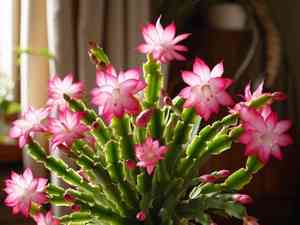
1
The False Christmas cactus flourishes optimally with filtered light, positioning it as a superb selection for interior plant displays.
2
Unfiltered sunlight can result in scorched foliage and distress for your False Christmas cactus. Always site it clear of intense solar radiation.
3
Consistently turning your False Christmas cactus guarantees uniform light absorption, fostering symmetrical development.
Ideal Light Requirements for False Christmas Cactus
Indirect Illumination: The Preferred Option
The False Christmas cactus, originating from Brazil's shaded woodlands, has evolved to prosper under dispersed light. Consequently, it thrives with indirect sunlight. Position your cactus near a north or east-facing window where it can receive ample, yet filtered, light. Should you observe the foliage becoming pale or yellow, this could indicate the plant is getting an excessive amount of harsh sunlight.
Avoiding Direct Sunlight: Potential Consequences?
Although the False Christmas cactus appreciates bright environments, direct sunlight can be harmful. Intense sun exposure may result in leaf scorch, identifiable by discoloration and brittle edges. In severe instances, prolonged exposure to direct sunlight can even impede your cactus's development. To prevent this, consider employing sheer curtains to soften the light if your plant is situated by a south-facing window.
Methods to Assess Light Levels for Your False Christmas Cactus
Utilizing Light Meters
Light meters offer a precise method for determining the exact illumination your False Christmas cactus receives. These instruments provide real-time readings of light intensity in various areas of your residence. For optimal growth, target light levels between 10,000 and 20,000 lux for your cactus. Higher measurements might signal too much direct sun, while lower readings suggest insufficient light.
DIY Light Assessment: The Hand Shadow Test
If a light meter isn't available, a simple hand shadow test can be performed. Hold your hand approximately 30 centimeters (12 inches) above the plant during the brightest part of the day. If your hand casts a very distinct, sharp shadow, the light may be too intense. A soft, diffused shadow is ideal for the False Christmas cactus. This test provides a quick, practical way to evaluate light conditions without specialized equipment.
Adjusting Light Exposure Throughout the Year
Seasonal Light Fluctuations
As the seasons shift, so too does the strength and duration of natural light. During warmer months, it might be necessary to relocate your False Christmas cactus slightly away from windows to prevent direct sun exposure. In colder months, when sunlight is weaker, positioning your cactus nearer to a bright window can help maintain adequate light levels. Always observe the plant's condition and modify its placement accordingly.
Moving the False Christmas Cactus Indoors and Outdoors
Primarily an indoor plant, your False Christmas cactus can benefit from spending time outdoors during milder periods. If moved outside, place it in a shaded or partially shaded location to shield it from direct sun. Gradually acclimating the plant to outdoor conditions helps minimize stress. When returning it indoors, ensure it resumes its spot with indirect light to continue flourishing.
Indicators of Improper Sunlight Exposure
Symptoms of Excessive Sun
Overexposure to sunlight manifests in several ways in the False Christmas cactus. Watch for scorched and brown leaf tips, particularly on the side facing the light source. The plant may also exhibit signs of wilting or shriveling due to sun-induced stress. If these symptoms are observed, promptly move your cactus to a location with less direct illumination.
Symptoms of Insufficient Sun
Conversely, inadequate sunlight can cause the False Christmas cactus to become leggy, with elongated stems reaching for light. Leaves may lose their vibrant hue and appear dull. Additionally, the plant might fail to produce flowers. If these signs are present, gradually introduce more light by moving the plant closer to a well-lit window or by utilizing grow lights.



